
The Rise of Low-Impact Fitness
BUILDING STRENGTH WITHOUT THE STRAIN

Low impact fitness has become the movement of choice for 2026, combining strength, grace, and longevity in a single routine. Workouts like Pilates, barre, and mobility flows deliver toned muscles, improved posture, and deeper body awareness, all without the harsh impact associated with traditional training. It is an ideal approach for those seeking sustainable and effective fitness that supports long term wellness.
Low impact training has been gaining attention over the past few years, but it is in 2026 that it truly takes center stage. People of all ages are now looking for training that supports the body rather than strains it. The idea of pushing through discomfort or grinding through fast explosive routines is slowly fading as more individuals realize the value of mindful movement. Low impact workouts show that you can build strength, improve balance, and develop graceful control through consistent and deliberate practice. This shift reflects a growing desire to enjoy fitness for life rather than for brief seasons.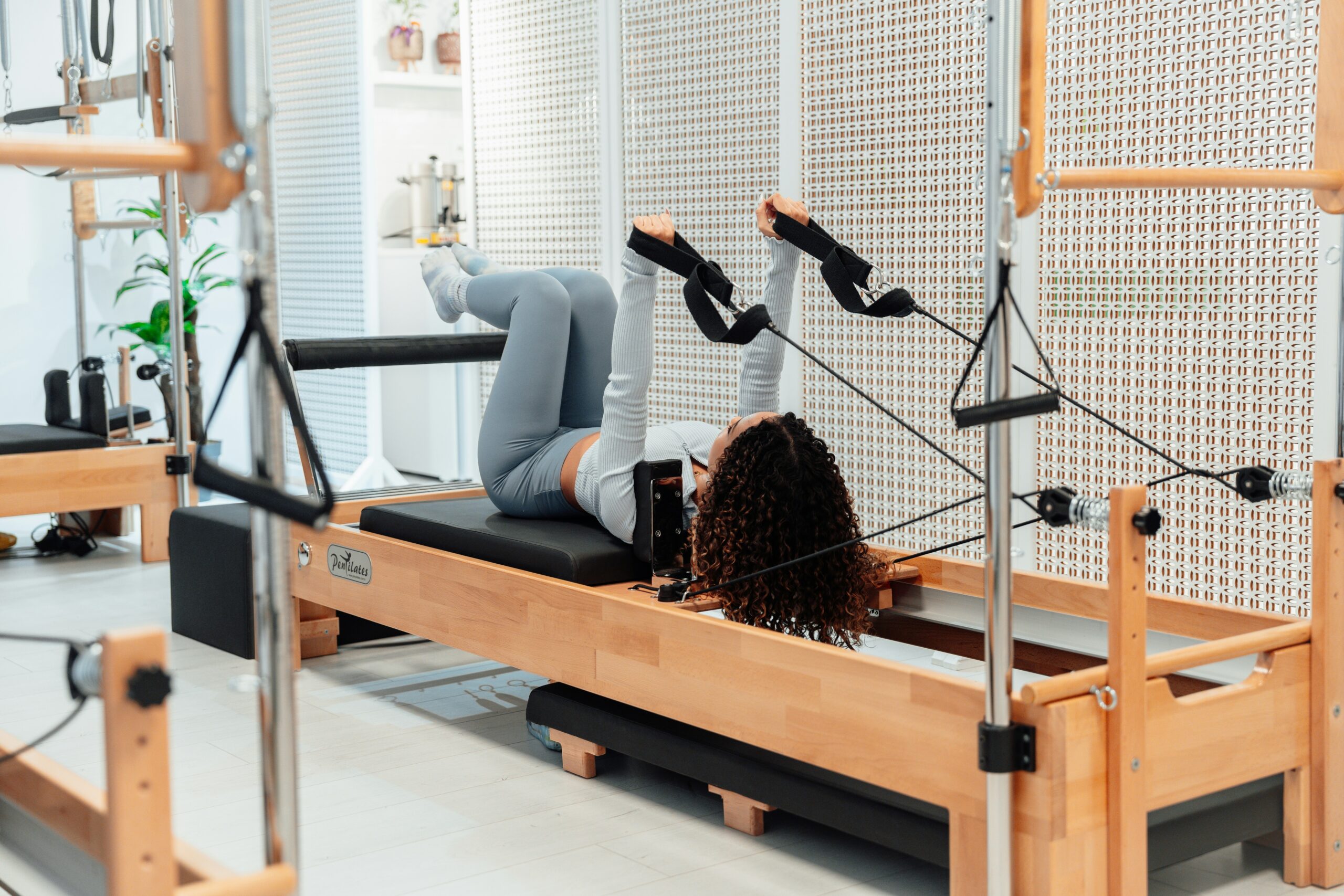
Pilates remains one of the most respected forms of low impact exercise. Created to improve posture, core strength, and body alignment, Pilates focuses on slow controlled movements that engage deep muscles.
Many practitioners are surprised by how intense it can feel even without jumping or striking the ground.
The practice builds stability from within and strengthens the muscles that support the spine, making it especially beneficial for office workers and anyone with a sedentary routine.
In 2026, Pilates studios across the world are offering new variations that include reformer classes, mat classes with resistance tools, and contemporary formats that combine traditional principles with modern athletic conditioning.
Barre training is another major trend within the low impact movement. Inspired by ballet conditioning, barre classes focus on small repeated movements that target muscles in a precise and concentrated manner. These classes often include pli e positions, leg lifts, core pulses, and balance work at the barre. Even though the movements appear gentle, the burn and muscle engagement can feel intense. Barre training promotes long lean lines, strong posture, and improved flexibility. It has become especially popular among women who want strength and elegance without the strain of heavy lifting.
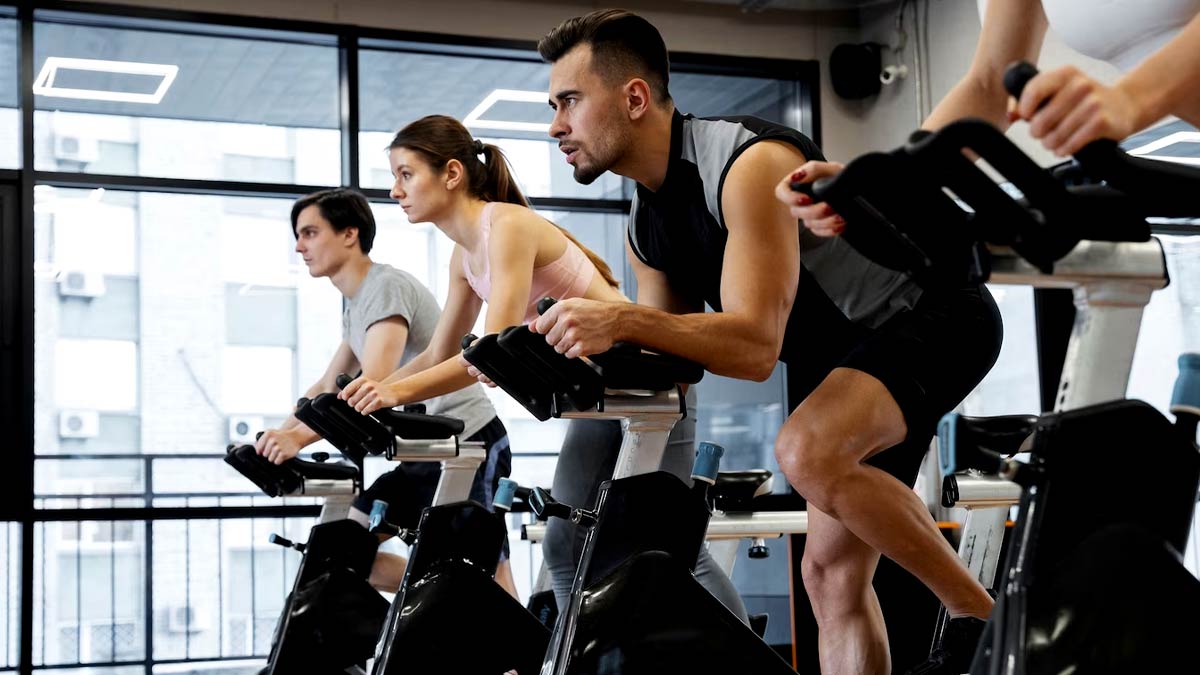
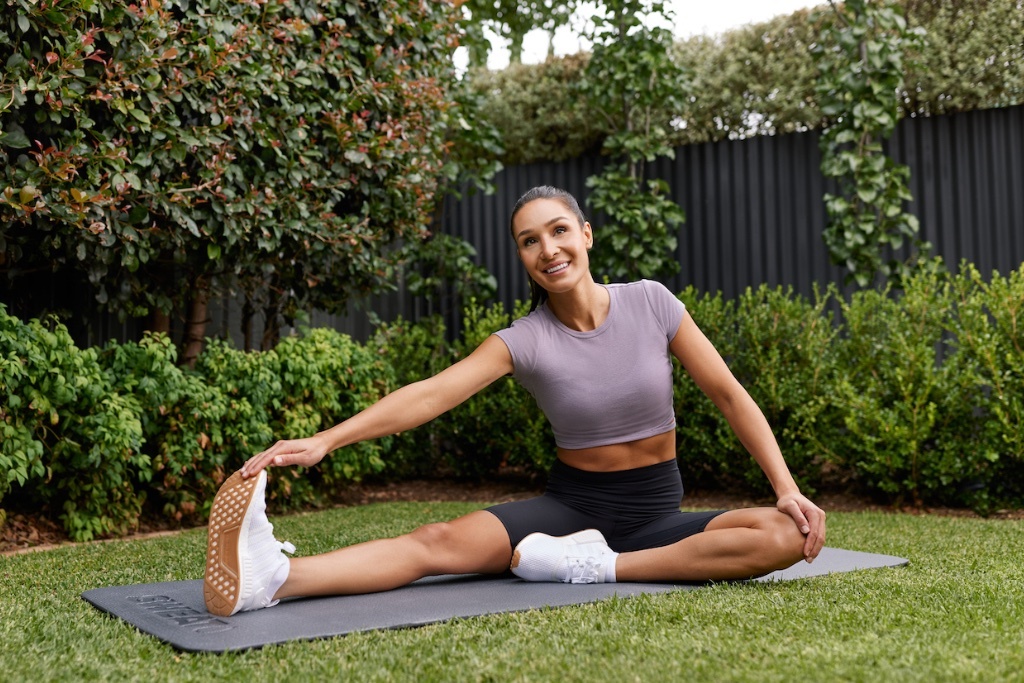
Mobility flow is the third pillar of the low impact fitness wave. It combines stretching, functional movement, and joint opening drills into a smooth and continuous routine. The goal is to increase range of motion, improve body control, and prevent stiffness. Many people now understand that flexibility and strength must work together to create a healthy and durable body. Mobility flows bring this idea to life by moving the joints through natural patterns. The routine may include deep lunges, spinal twists, shoulder circles, and slow transitions that lubricate the joints and awaken the muscles. Mobility training is especially helpful for athletes who want to stay injury free and for anyone who feels stiff due to long hours at a desk.
 The beauty of low impact fitness lies in its ability to deliver powerful results without harsh strain on the joints. Manytraditional workouts that rely on running, jumping, or heavy lifting place stress on the knees, ankles, and lower back. Over time this can lead to chronic aches or a reduced ability to maintain consistent training. Low impact routines avoid this problem by strengthening the body while reducing mechanical stress. This allows people to build endurance and strength without the wear and tear that often leads to injury.
Another reason for the growing popularity of low impact workouts is improved mental wellness. Pilates, barre, and mobility flows encourage present moment focus, proper breathing, and thoughtful movement. Many practitioners find that these routines help reduce stress and create a sense of inner calm. The slow controlled pace allows the mind to settle while the body moves with intention. This connection between mind and body is a major theme for wellness in 2026, especially as people look for ways to manage daily pressure and find balance. Low impact fitness offers a peaceful break from the fast chaotic rhythm of modern life.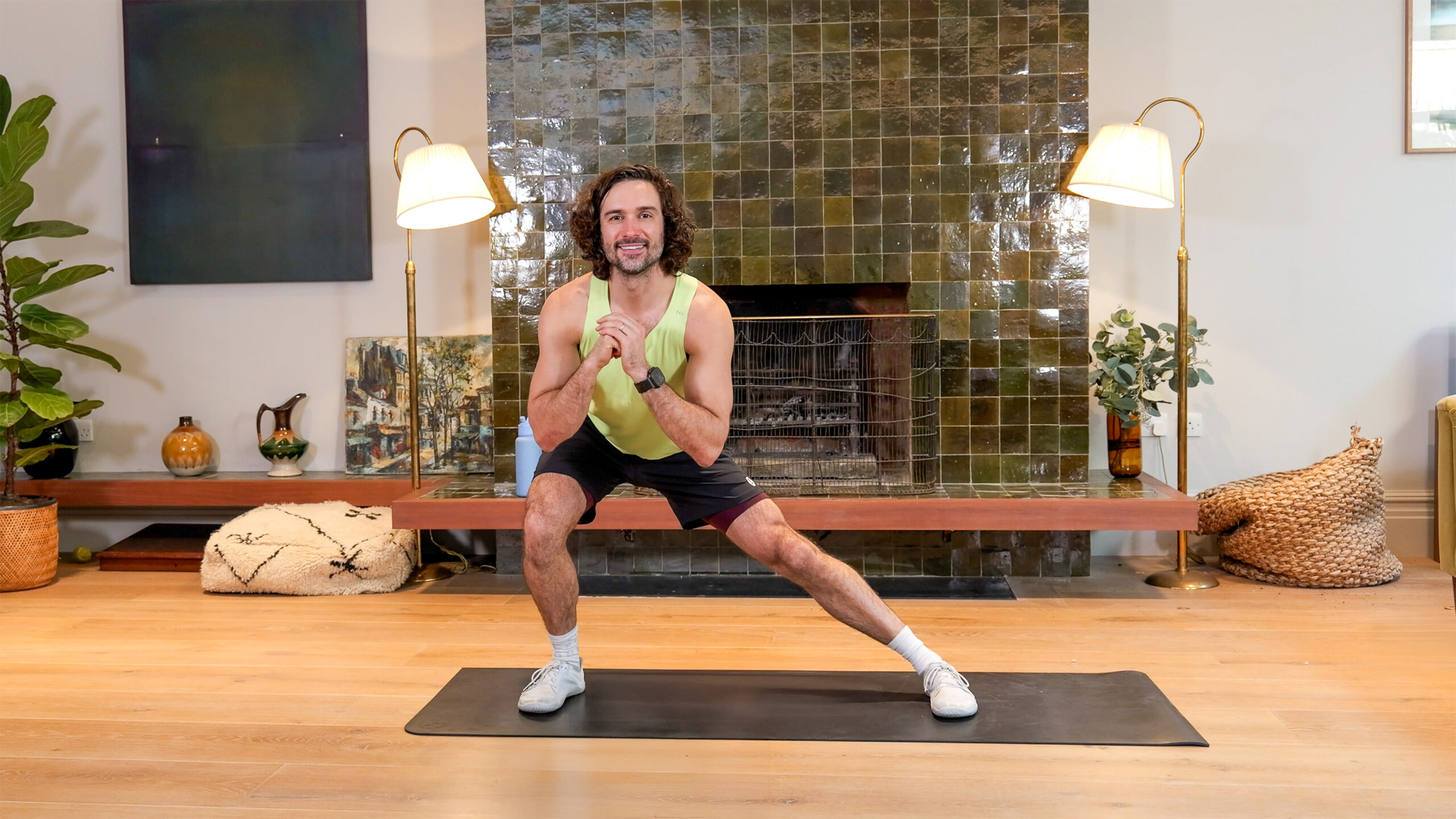
Low impact routines also support better posture, which has become a major concern in the digital age. Many people spend long hours on devices, which leads to rounding of the shoulders, a weak core, and tension in the neck. Pilates is designed to address these issues by strengthening the deep core muscles that support the spine. Barre enhances posture through precise alignment and balanced muscle engagement. Mobility flows release tightness in the hips, shoulders, and spine. When combined, these practices create a strong and well aligned posture that improves confidence and reduces fatigue.