
March In Bloom
GLOBAL FESTIVALS OF FAITH, FIRE AND FESTIVITY
March is a month suspended delicately between endings and beginnings. The lingering chill of winter gradually gives way to warmer days while daylight stretches ever longer, softening landscapes with the first hints of green and colour. Across the world, this seasonal shift is more than a simple change in weather. It carries profound cultural, spiritual and social significance. It is a time of renewal, reflection, gratitude and celebration.
From sacred fasting and festive feasts in Southeast Asia to blossom viewing in Japan, from fiery spectacles in Spain to vibrant colour festivals in India, March 2026 promises a rich tapestry of global traditions that unite communities in collective joy and reverence. As the earth itself awakens, so do human communities. The world does not welcome spring quietly. Instead, it greets the season with a chorus of prayers, music, laughter, colour and fire, a universal acknowledgement of life, resilience and shared human.
A Celebration of Gratitude and Togetherness – Hari Raya Aidilfitri
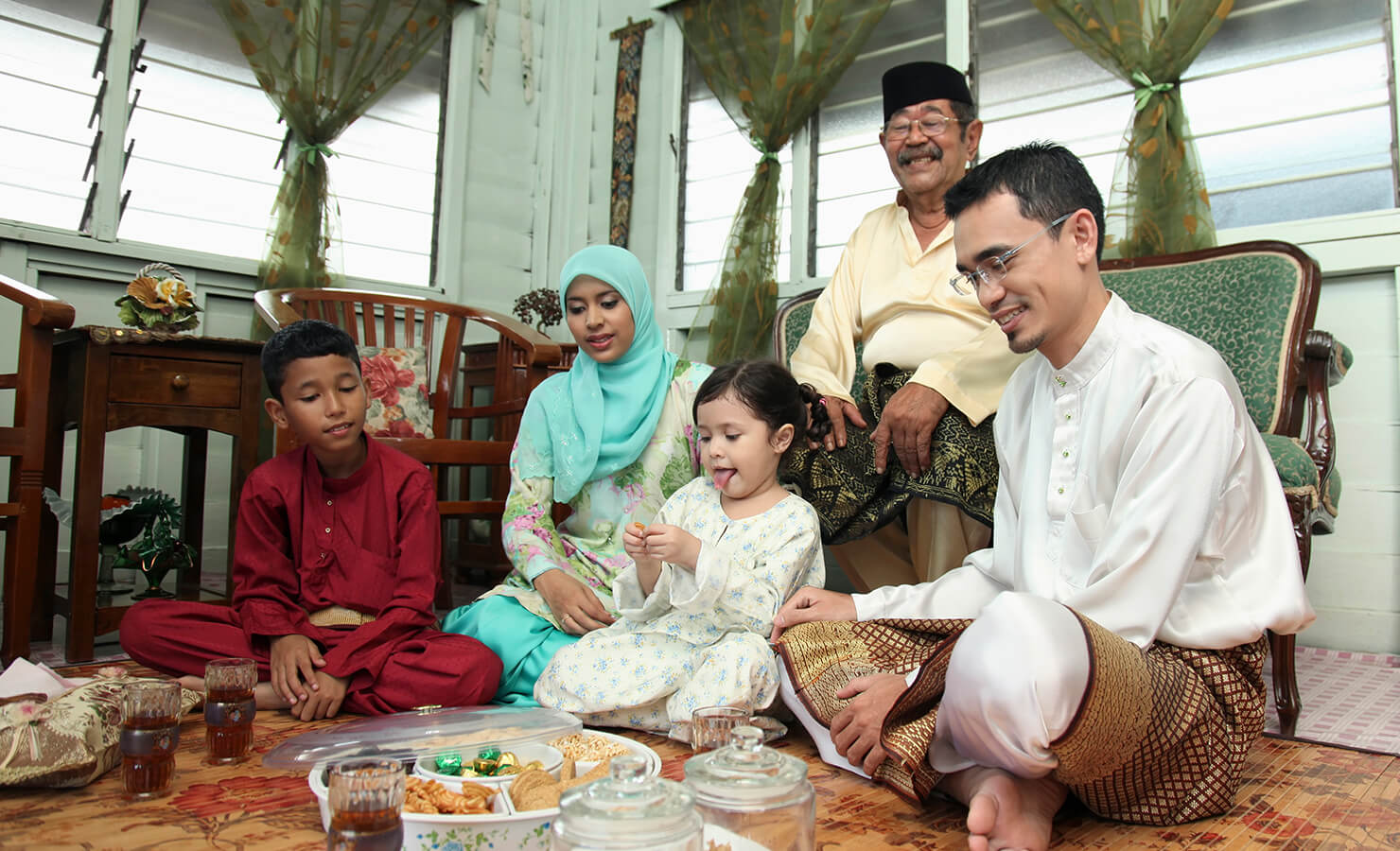
In March 2026, the end of Ramadan marks the arrival of Hari Raya Aidilfitri, or Eid al Fitr, a joyful celebration observed across Malaysia and the wider Muslim world. After a month of fasting, reflection and charity, the festival symbolises spiritual renewal, forgiveness and the strengthening of family and community ties. The day typically begins with special prayers at mosques, followed by visits to family members and elders where forgiveness is sought as a gesture of reconciliation and gratitude. Homes are decorated with lights and festive ornaments, while the Malaysian tradition of open houses welcomes friends, neighbours and visitors of all backgrounds to share in the celebration. Dining tables are filled with beloved dishes such as ketupat, rendang, satay and colourful kuih, while children happily receive duit raya in decorative envelopes.
 Fire and Transformation – Las Fallas
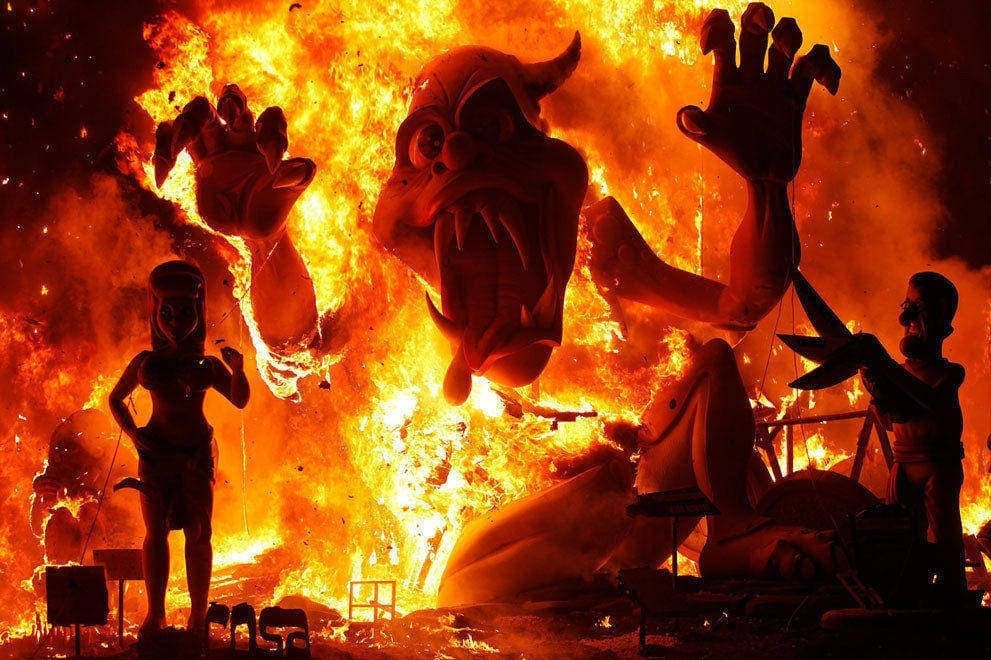
Thousands of miles away, in Valencia, Spain, March heralds a festival of fire, creativity and irrepressible energy. Las Fallas transforms the city into an open air gallery, where towering sculptures crafted from wood and papier mâché rise above bustling neighbourhood squares. These intricate creations often carry satirical undertones, blending artistry with social commentary, and are celebrated for their grandeur and imagination.
For several days, the streets of Valencia fill with brass bands, fireworks, street performers and locals in traditional costume. The scent of paella and roasted almonds drifts through the city as the festival builds toward its climax on Saint Joseph’s Day. During Las Fallas, nearly all the sculptures are burned in the ritual of La Cremà, symbolising purification, renewal and the cycle of life.
Ancient New Beginnings – Nowruz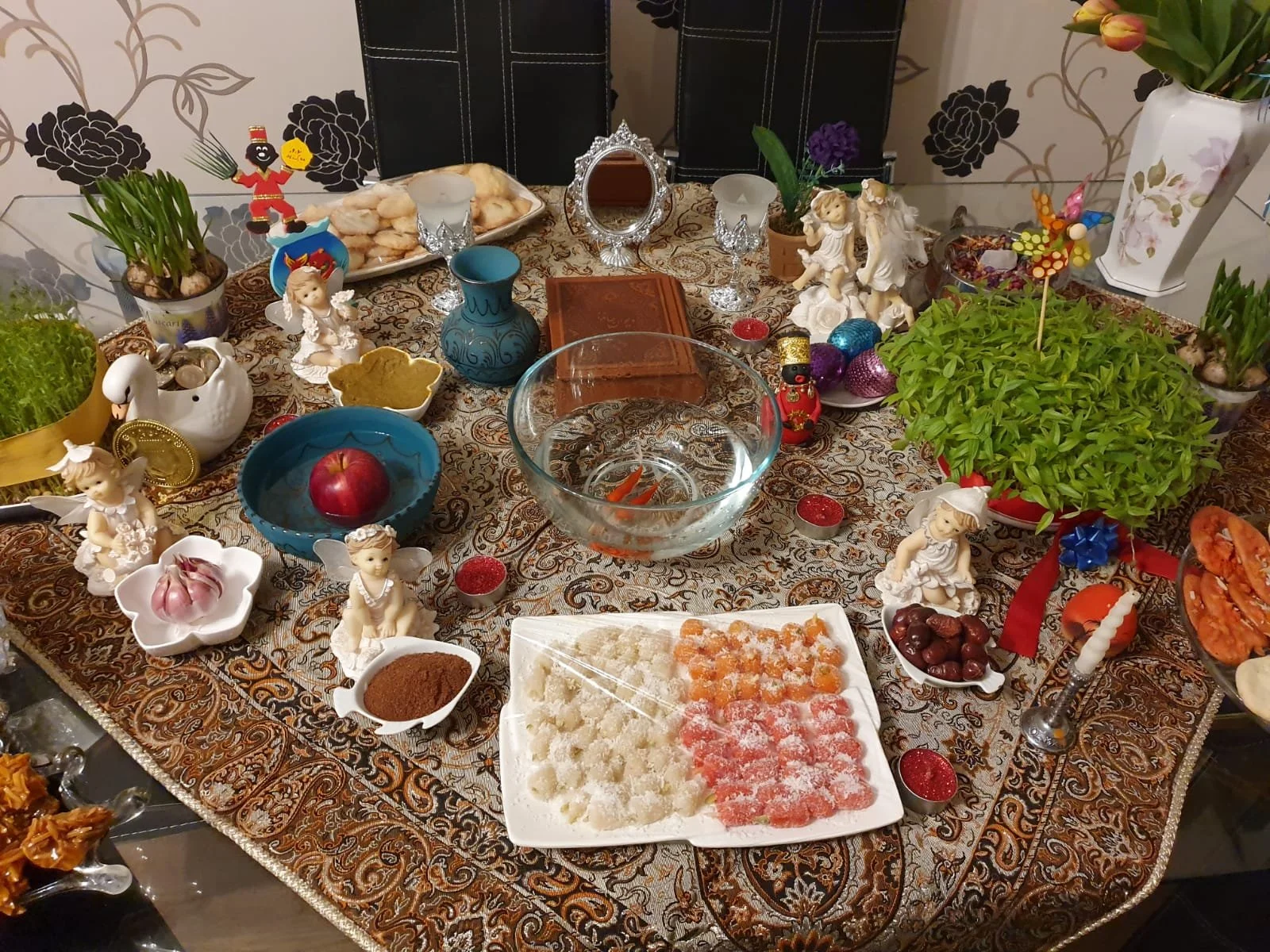
On 21 March, as day and night achieve perfect equilibrium, millions celebrate Nowruz, the Persian New Year, across Iran, Afghanistan and Central Asia. Nowruz, which translates to new day, has been observed for over three millennia, marking both the arrival of spring and the renewal of life.
Preparations for Nowruz begin weeks in advance as families clean their homes through khaneh tekani, symbolically sweeping away the past year’s misfortunes. The Haft Seen table displays seven symbols of health, prosperity, love, wisdom and renewal, while small fires are lit for purification. When the spring equinox arrives, families gather to embrace, share meals, poetry and music, celebrating hope, renewal and the continuity of tradition across generations.
 Colour and Community – Holi
In India, Nepal and many cities around the world, Holi arrives each year as one of the most vibrant celebrations of spring. Known as the Festival of Colours, it marks the changing of seasons with a powerful sense of renewal, joy and community. The festivities begin on the eve of the celebration with Holika Dahan, when bonfires are lit to symbolise the triumph of good over evil. Families and neighbours gather around the flames, offering prayers and casting symbolic items into the fire as a gesture of letting go of negativity and misfortune from the past year. The ritual carries both spiritual and seasonal meaning, representing purification and the hopeful beginning of a new chapter as winter gives way to warmer, brighter days.
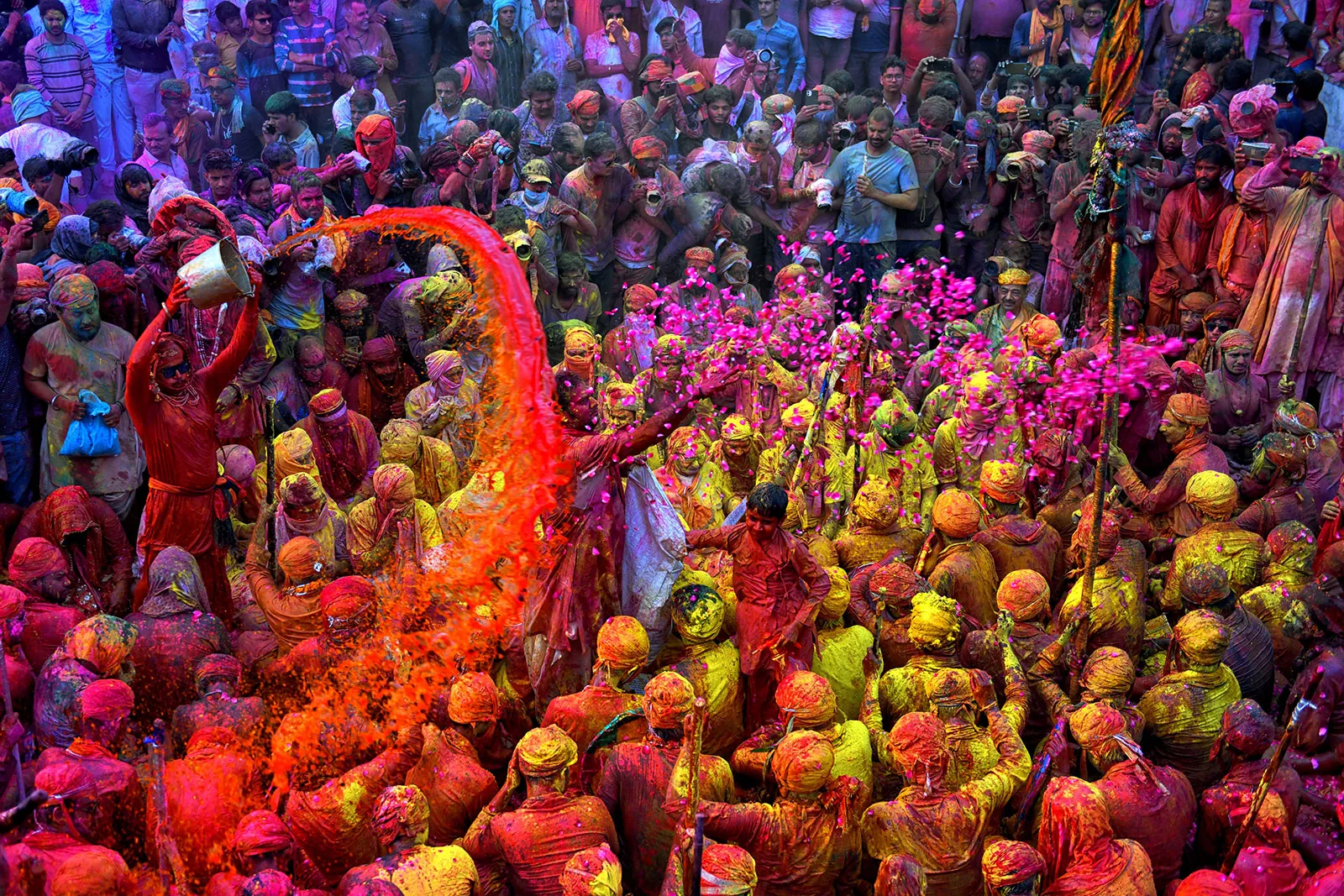
The following day transforms cities, towns and neighbourhoods into vivid celebrations of colour and togetherness. People gather in open spaces to throw clouds of coloured powder into the air, laughing and dancing as music fills the streets. Friends, families and even strangers smear bright pigments across one another’s faces, creating an atmosphere of playful unity. Traditional sweets and festive dishes are shared generously, reinforcing the spirit of hospitality and celebration. Beyond South Asia, Holi has also become a global cultural event, with large public gatherings taking place in cities from London to Kuala Lumpur. These celebrations reflect how an ancient tradition continues to thrive in modern, multicultural societies, bringing people together through joy, colour and the shared celebration of spring.
National Pride and Cultural Identity – Saint Patrick’s Day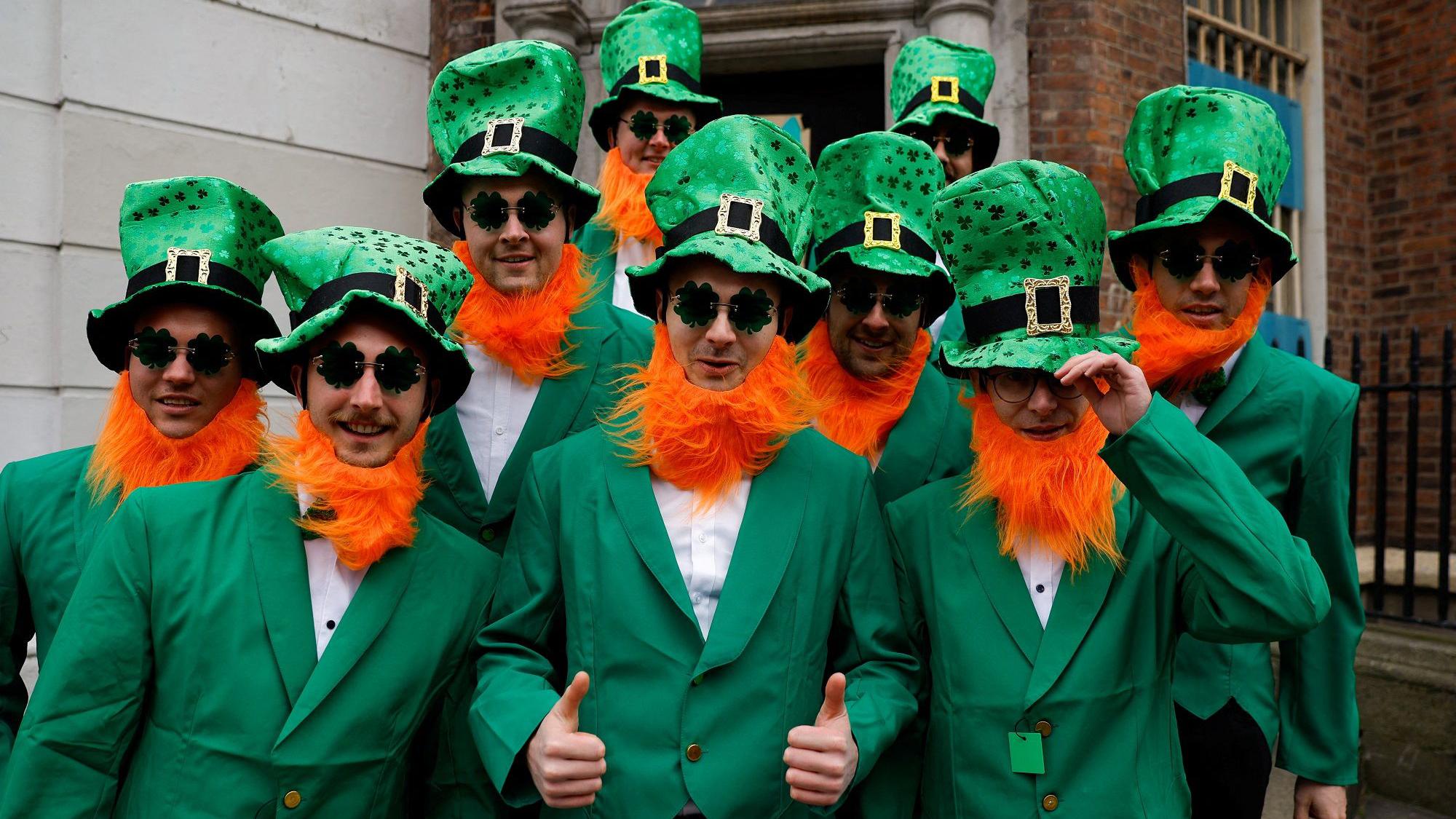
March is marked by celebrations of culture and heritage across the world, and among the most recognisable is Saint Patrick’s Day on 17 March. The occasion honours the history and traditions of Ireland and commemorates Saint Patrick, whose legacy remains deeply woven into Irish identity. What began as a religious feast day has gradually evolved into a vibrant global celebration of Irish culture. In Ireland, cities such as Dublin host grand parades, music performances and cultural events that attract visitors from around the world. Landmarks, rivers and historic buildings glow in shades of green, creating a festive atmosphere that celebrates both national pride and cultural heritage.
Beyond Ireland, the celebrations extend across continents, particularly in cities with strong Irish communities such as New York City, where one of the world’s largest Saint Patrick’s Day parades takes place each year. Streets come alive with marching bands, traditional Irish step dancing, bagpipe performances and lively gatherings that blend heritage with modern festivity. People wear green clothing, shamrocks and symbolic accessories while joining in music, laughter and communal celebrations. Saint Patrick’s Day has grown into more than a cultural observance. It is a moment when Irish traditions are shared globally, bringing communities together through storytelling, music and the enduring spirit of Irish identity.
 Blossoms and Stillness – Hanami
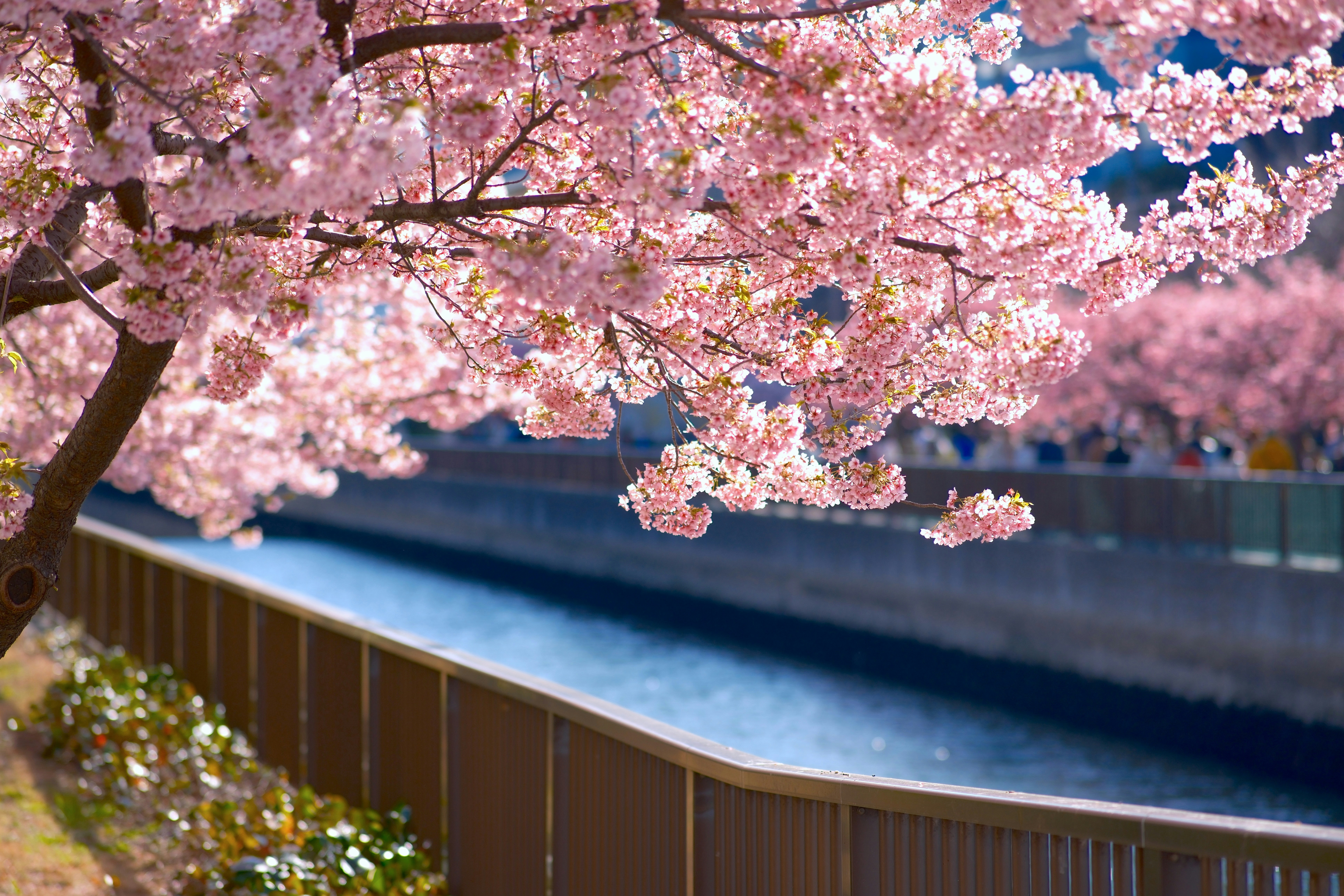
Meanwhile, in Japan, spring unfolds with gentle elegance through Hanami, the centuries old tradition of cherry blossom viewing that remains one of the country’s most cherished cultural rituals. As delicate pink and white petals begin to unfurl across the branches of the iconic Sakura, parks, gardens and riverbanks transform into breathtaking landscapes of colour. From the expansive grounds of Ueno Park to the historic charm of Maruyama Park, people gather beneath the blossoms to welcome the changing season. Families spread picnic mats across the grass while friends and colleagues share bento boxes, seasonal sweets and warm cups of tea, turning public spaces into vibrant scenes of laughter and companionship. The atmosphere is both festive and serene, blending social celebration with quiet moments of appreciation for the natural world.
Beyond its visual splendour, Hanami carries a deeper philosophical resonance within Japanese culture. The fleeting lifespan of the blossoms, which often last only a short period before drifting gently to the ground, symbolises the transient nature of life itself. Watching the petals fall becomes an act of reflection, encouraging people to appreciate the present moment and the beauty that exists within impermanence. This sensitivity to the passing of time has long influenced Japanese art, poetry and aesthetics, where the fragile beauty of the sakura is celebrated as a reminder that life’s most meaningful moments are often brief yet profound.
As evening approaches, many viewing spots host yozakura, the nighttime appreciation of cherry blossoms. Lanterns are illuminated beneath the branches, casting a soft glow that transforms the petals into shimmering clouds of light. The atmosphere becomes almost dreamlike as visitors stroll beneath the illuminated trees, their conversations softened by the quiet rustle of petals drifting through the air. Couples walk slowly along lantern lined paths, photographers capture the glowing canopies, and communities linger late into the night to savour the tranquil beauty of the scene.
Hanami ultimately represents far more than a seasonal outing. It is a cultural ritual that strengthens social bonds while encouraging mindfulness and gratitude for the cycles of nature.
A World Renewed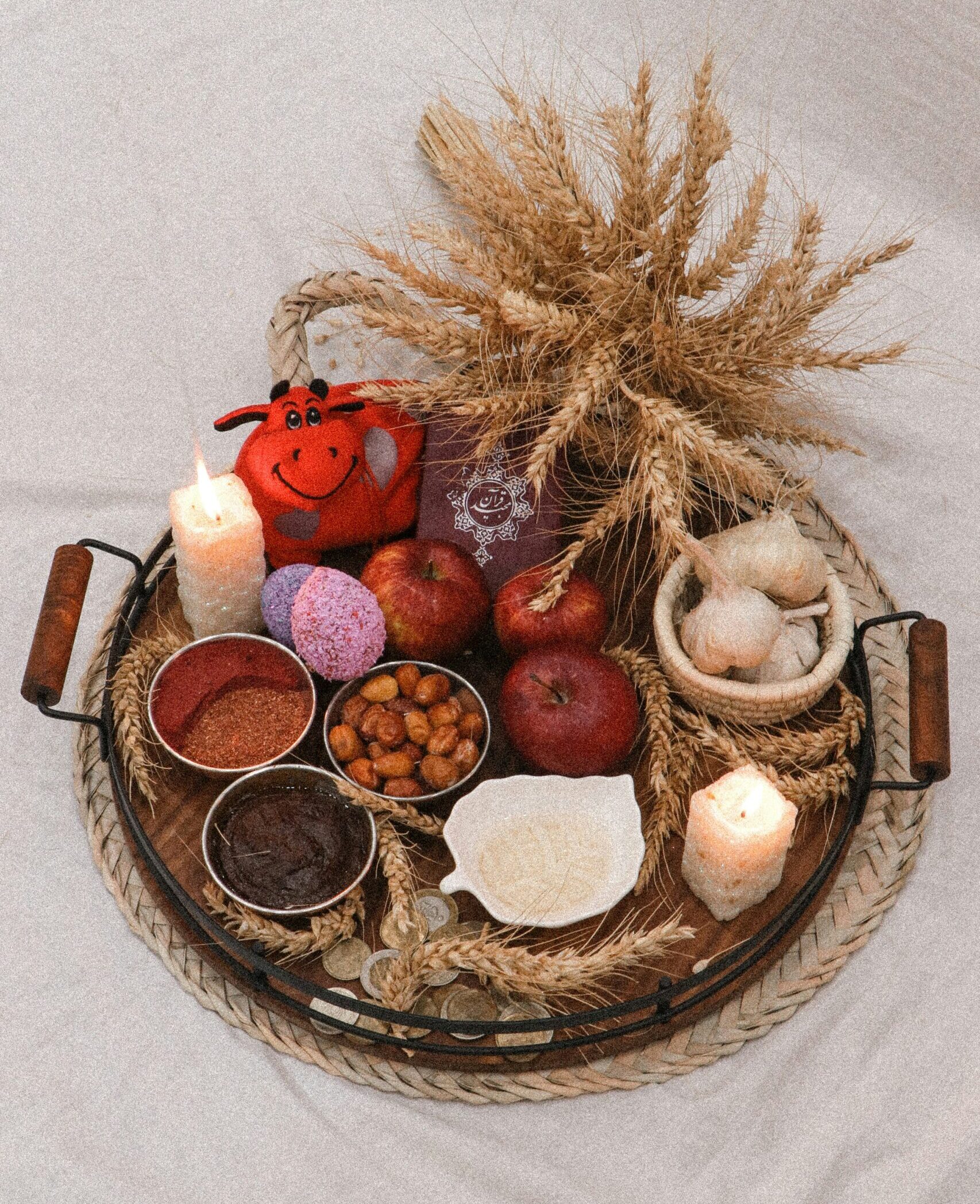
From festive open houses in Malaysia to fiery nights in Valencia, from blossom filled parks in Japan to colour soaked streets in India, March 2026 reveals the shared rhythms that quietly connect cultures across the world. Though each celebration emerges from a distinct history and spiritual tradition, they express a common human desire to gather, reflect and rejoice as the seasons shift. Across continents, communities embrace rituals shaped by centuries of heritage, transforming public squares, neighbourhood streets and family homes into spaces of celebration and remembrance. These festivities unfold through food, music, colour and ceremony, reminding people that cultural identity is not only preserved through history but also renewed through participation and shared experience.
At the heart of these celebrations lies a universal appreciation for renewal and togetherness. Families reunite, friends reconnect and strangers are welcomed into communal spaces where hospitality and generosity flourish. Traditional dishes are prepared, stories are exchanged and music fills the air, creating moments that strengthen bonds between generations. In cities and villages alike, celebrations become a living expression of cultural continuity, where long standing customs are honoured while new memories are created. The passing of time does not diminish these traditions; rather, it allows them to adapt and resonate with each new generation that embraces them.
Spring therefore becomes more than a simple change of season. It represents a symbolic turning point marked by hope, resilience and the promise of fresh beginnings. As winter recedes and the world awakens with colour and warmth, communities step forward carrying rituals that reflect both reflection and renewal. Festivals become moments to pause from daily routines, offering time to reconnect with loved ones and to appreciate the shared rhythms that unite humanity across geography and culture.