
Domestic Travel Boom
A POWERFUL RESURGENCE SHAPING MALAYSIA’S TOURISM ECONOMY
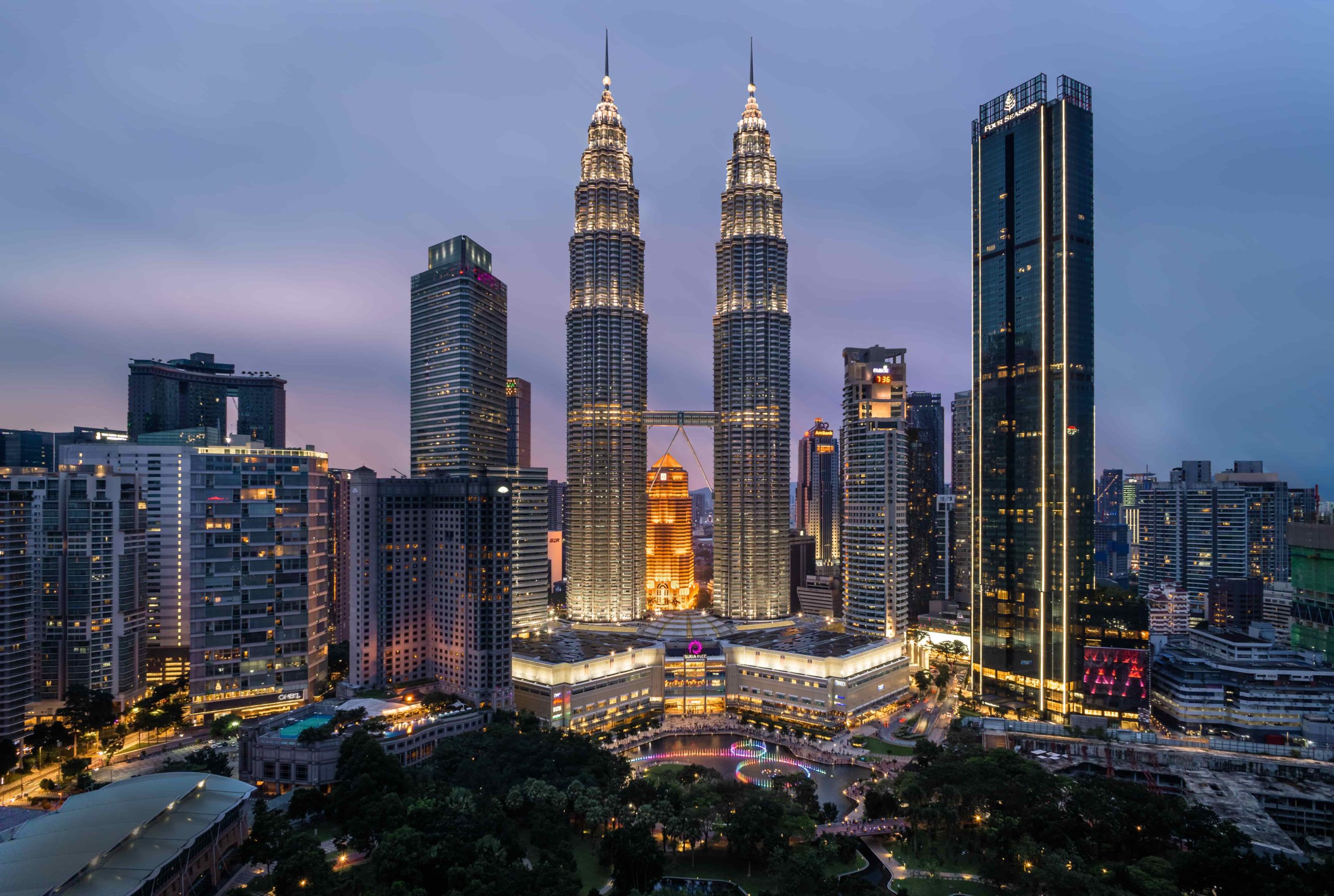
Malaysia’s domestic tourism sector ended 2025 with exceptional strength, reinforcing its role as a vital pillar of the nation’s economic landscape. In the fourth quarter alone, domestic visitor numbers surged to 74 million, reflecting a notable increase compared to the same period in the previous year. This impressive performance is more than a statistical milestone. It represents a broader shift in how Malaysians engage with travel, leisure, and their own cultural landscape.
The steady rise in domestic travel suggests that local tourism is no longer simply an alternative to international holidays. Instead, it has become a preferred choice for many, driven by convenience, affordability, and a growing appreciation for the diverse experiences available within the country. From vibrant city escapes to tranquil island retreats and heritage rich towns, Malaysia offers a wide spectrum of destinations that continue to attract both repeat and first time local travellers.
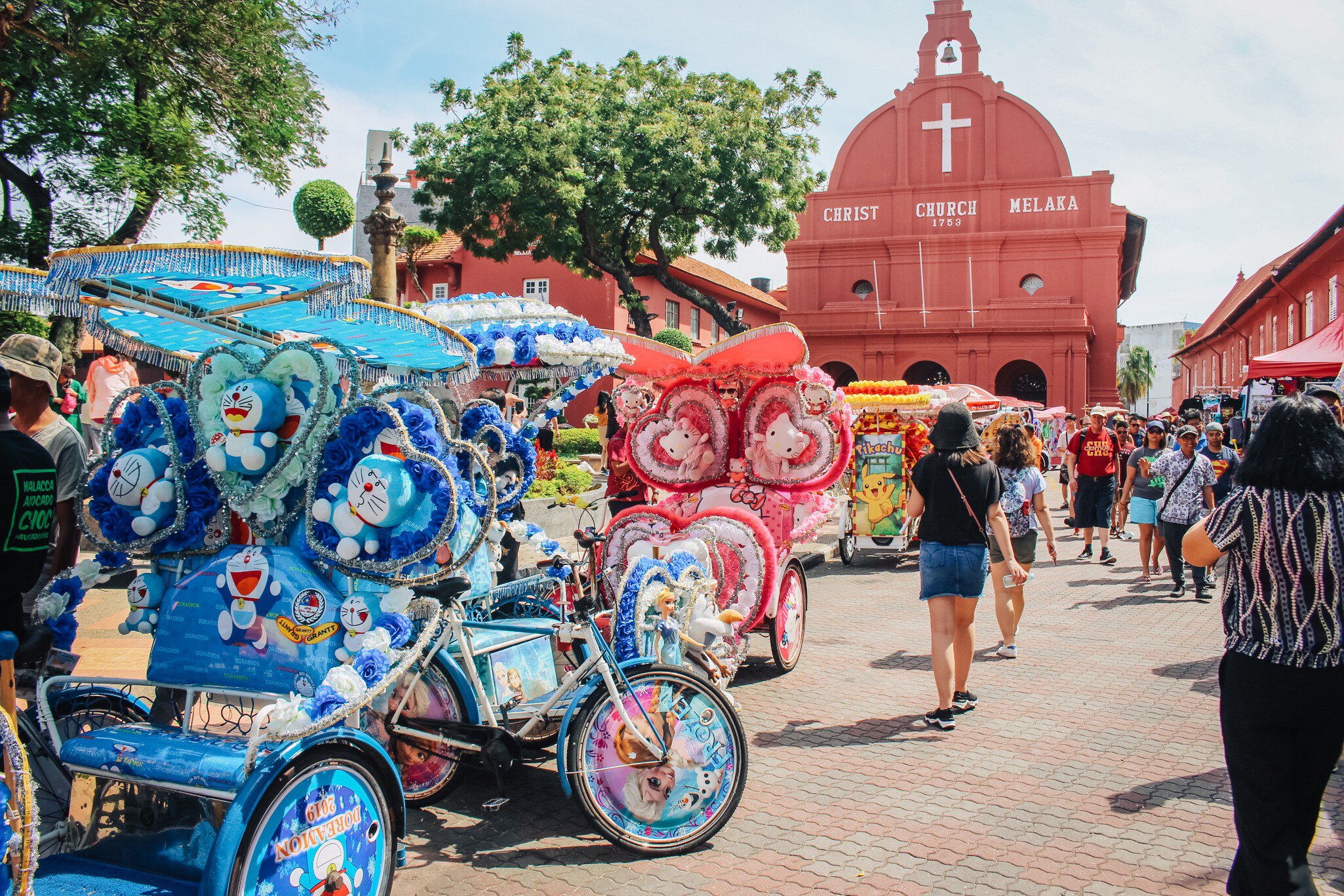 What makes this growth particularly significant is its consistency. Compared to the previous quarter, domestic tourism recorded a further increase, signalling sustained momentum rather than a seasonal spike. This indicates that travel has become deeply embedded in the lifestyle of Malaysians, supported by improved accessibility, digital booking platforms, and a stronger culture of short getaways.
Seasonal factors have also played an important role in driving this upward trend. School holidays and year end festive celebrations encouraged families and individuals to travel more frequently. These periods have always contributed to increased mobility, yet recent patterns suggest that Malaysians are extending their trips, exploring new regions, and allocating more resources towards travel experiences. The emotional value of reconnecting with family and discovering new environments continues to shape travel decisions across all age groups.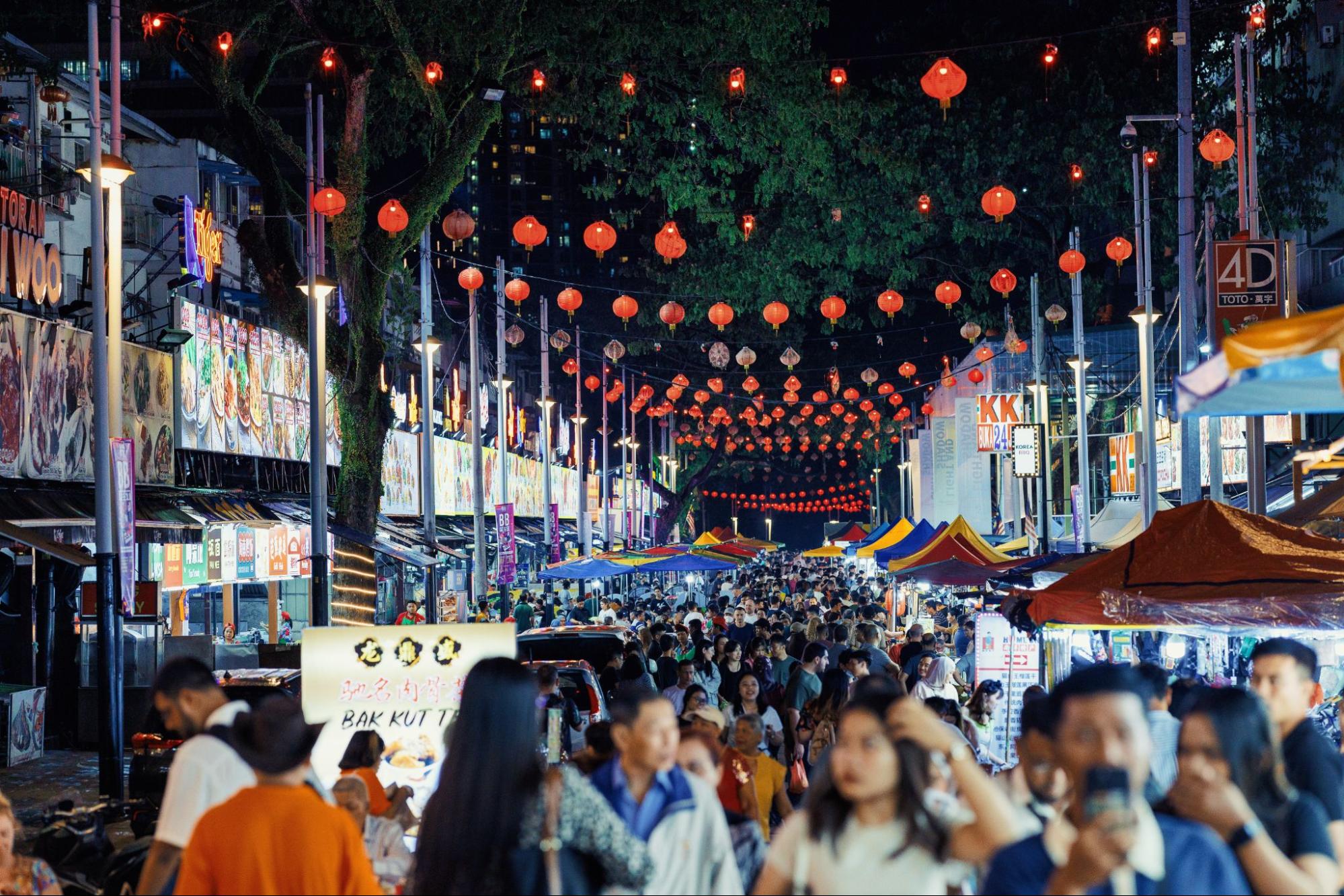
Equally compelling is the surge in domestic tourism expenditure. Spending reached RM32.6 billion during the fourth quarter, demonstrating a strong rise both year on year and compared to the preceding quarter. This growth highlights not only an increase in the number of travellers but also a shift towards higher quality experiences. Malaysians are spending more on accommodation, dining, entertainment, and retail, contributing to a more dynamic and interconnected tourism ecosystem.
 This evolution in spending behaviour reflects changing consumer expectations. Travellers today are seeking more than just a place to visit. They are looking for immersive experiences, curated stays and meaningful interactions. Boutique hotels, eco retreats and culturally driven destinations have all gained popularity, catering to a more discerning audience that values authenticity and comfort. Personalisation and unique storytelling have become key factors in shaping memorable travel experiences.
The ripple effects of this growth can be seen across multiple sectors. Domestic air travel recorded a significant rise, with increased airport arrivals indicating stronger demand for inter state connectivity. At the same time, road travel remains a dominant mode of transportation, as reflected in higher fuel sales. This combination of air and road mobility illustrates a well balanced travel network that supports both long distance and short haul journeys.
The accommodation sector has also benefitted from this surge. Hotels, resorts and alternative lodging providers experienced higher occupancy rates and increased revenue, pointing to robust demand across various price segments. From budget conscious travellers to those seeking luxury escapes, the diversity of offerings ensures that domestic tourism remains inclusive and accessible. This growth has also encouraged operators to enhance service quality and introduce more personalised experiences.
Looking beyond the final quarter, the overall performance of domestic tourism in 2025 presents an even more compelling narrative. Total domestic visitors reached 290.1 million, marking a substantial increase from the previous year. This figure underscores the scale and resilience of the sector, particularly in an environment where global travel trends continue to fluctuate.
 In financial terms, domestic tourism generated RM121.0 billion in expenditure for the year. This remarkable contribution highlights the sector’s importance not only as a driver of tourism activity but also as a key component of national economic growth. It supports a wide range of industries, including hospitality, transportation, retail, and food services, creating employment opportunities and sustaining local businesses across the country.
Beyond its economic impact, domestic tourism also plays a crucial role in fostering national identity and cultural appreciation. As Malaysians travel within their own country, they gain a deeper understanding of its diversity, heritage, and natural beauty. This sense of connection strengthens community ties and promotes a more sustainable approach to tourism, where local economies benefit directly from increased visitor activity.
The rise of domestic tourism also reflects a shift towards more conscious travel choices. Shorter distances reduce environmental impact, while support for local enterprises encourages more equitable economic distribution.
Looking ahead, the outlook for Malaysia’s domestic tourism sector remains highly positive. Continued investment in infrastructure, digital innovation, and destination marketing is expected to further enhance the travel experience. Improved transport links, seamless booking systems, and targeted promotional campaigns will play a key role in sustaining this upward trajectory.
As the country prepares for future tourism initiatives, including broader regional and international engagement, the strength of domestic tourism provides a solid foundation. It ensures that the industry remains resilient, adaptable, and capable of withstanding external uncertainties.
Ultimately, the surge in domestic tourism reflects changing lifestyles, evolving preferences and a renewed appreciation for what lies closer to home. Travellers are increasingly prioritising convenience, flexibility and meaningful experiences that allow them to reconnect with their own surroundings in a more intentional way. This shift has been further shaped by evolving work patterns, a growing emphasis on wellbeing and a desire to take more frequent but shorter breaks that feel both accessible and rewarding. At the same time, there is a stronger interest in discovering hidden gems within one’s own country, from cultural landmarks to natural landscapes, all of which contribute to a deeper sense of national identity and personal connection. This growing trend also reflects a broader desire to travel more sustainably while supporting local communities and economies.
This movement signals a broader recognition that local destinations can offer remarkable depth, diversity and cultural richness without the need for long distance travel. It highlights a more thoughtful approach to travel, where quality experiences, authentic interactions and emotional connection take precedence over distance or status. Travellers are becoming more discerning, seeking destinations that offer not only comfort and relaxation but also opportunities for exploration, learning and engagement with local communities. As a result, domestic tourism is evolving into a more curated and experience driven industry, with businesses adapting to meet the expectations of a more conscious and experience oriented audience.
Domestic tourism is set to thrive not as a substitute for global exploration, but as an essential and enriching experience in its own right. It will continue to play a vital role in shaping the future of travel by offering more sustainable, accessible and meaningful ways for people to explore their surroundings. As infrastructure improves and destinations continue to innovate, local travel will become an even more attractive option for a wide range of travellers. This ongoing evolution reinforces the idea that meaningful journeys do not always require crossing borders, but can instead be found in the richness of experiences that exist closer to home. It also highlights how local destinations can deliver just as much inspiration, discovery and cultural value.