
Nation’s Pride, Nation’s Heart
HONORING THE PLACES AND PEOPLE THAT MAKE OUR COUNTRY STRONG

Federal Territories Day, celebrated annually on February 1st, is a significant occasion for Malaysians to commemorate the establishment of the country’s Federal Territories. This day honors the administrative and political unity of key areas, including Kuala Lumpur, Putrajaya, and Labuan, which form the backbone of Malaysia’s federal governance. Understanding the history of these territories provides a deeper appreciation for this special day and the roles these areas play in the nation’s growth.

The Birth of the Federal Territories
Before the establishment of the Federal Territories, the areas now known as the Federal Territories were part of various states within Malaysia. The creation of the Federal Territories was a crucial decision in the country’s journey toward greater administrative efficiency and centralization, with the aim to strengthen the federal system of governance.
Kuala Lumpur: The Heart of Malaysia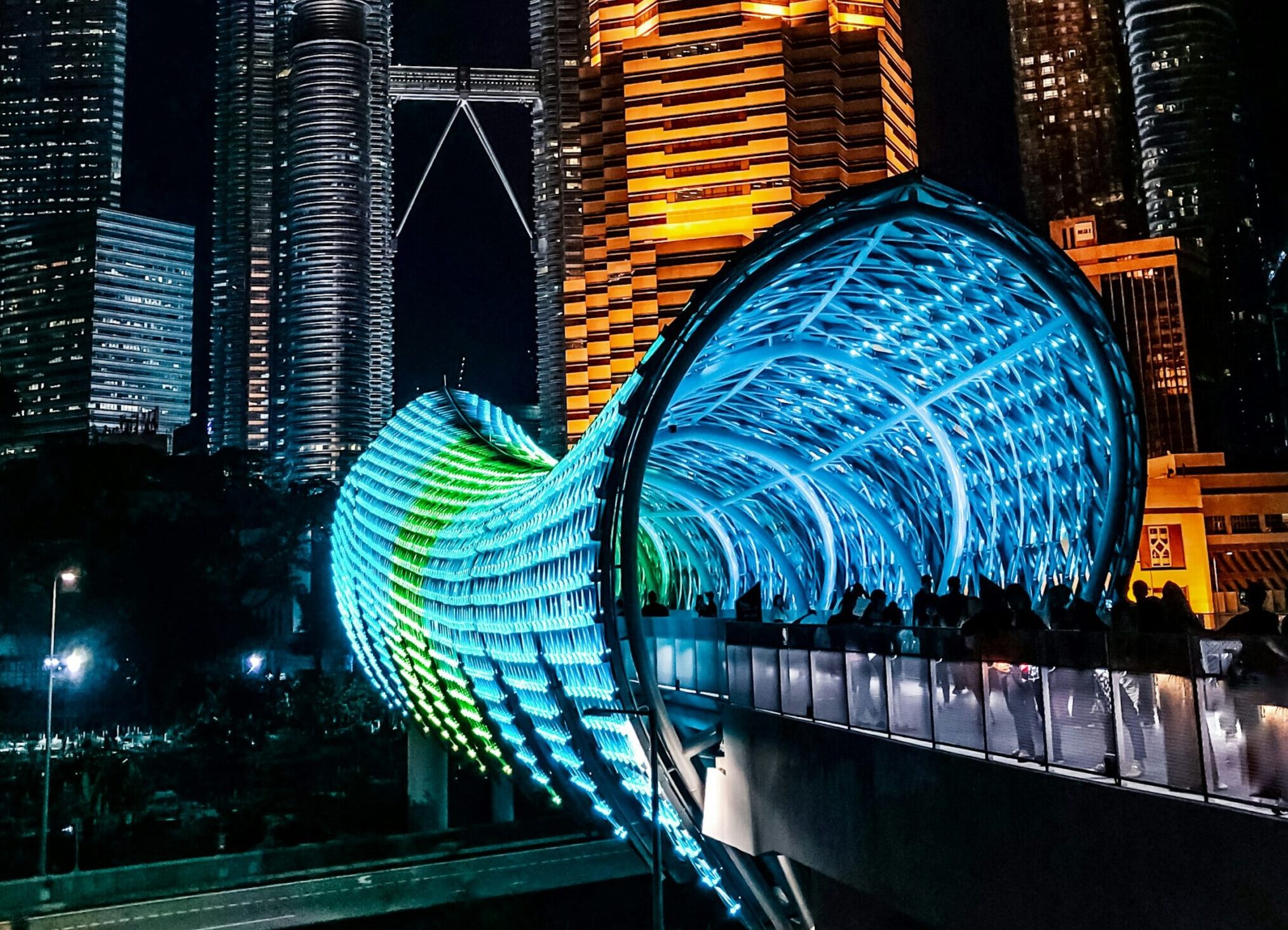
The story of the Federal Territories begins with the emergence of Kuala Lumpur as the capital of Malaysia. Kuala Lumpur’s transformation into a Federal Territory began in 1974. Initially a modest mining town, it grew rapidly in the late 19th century due to its strategic location and role as a mining hub for tin.
By 1896, Kuala Lumpur became the capital of the Federated Malay States. The town flourished, and its development was so significant that, by 1974, it was officially declared a Federal Territory, independent from the state of Selangor.
This decision allowed the federal government to take direct control over the administration of the city, enabling the more effective development of the national capital and the creation of a centralized administrative system.
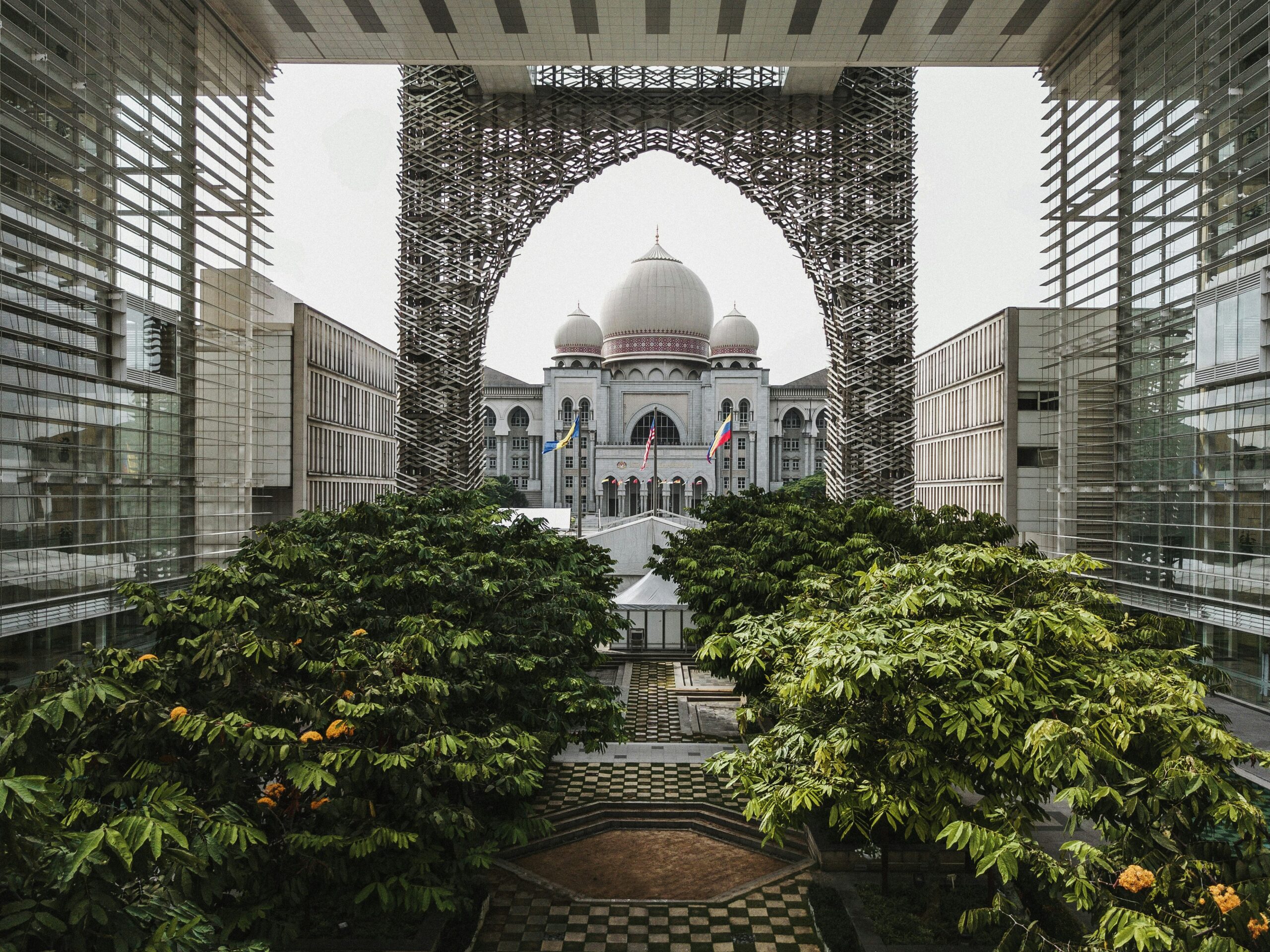 Putrajaya: A Modern Administrative Hub
Putrajaya, another key Federal Territory, came into being much later, in 2003, under the leadership of then-Prime Minister Tun Dr. Mahathir Mohamad. This planned city was designed to serve as the new administrative capital of Malaysia, replacing Kuala Lumpur, which was becoming increasingly congested. Putrajaya was strategically placed to the south of Kuala Lumpur, with modern infrastructure, green spaces, and government buildings at its core.
The establishment of Putrajaya as a Federal Territory was not just about easing administrative burden; it was a move to decongest Kuala Lumpur and ensure that the national government would have a distinct, well-organized base for efficient governance. Today, Putrajaya is home to the offices of the Prime Minister and various government agencies, and it remains a symbol of Malaysia’s commitment to modernity and progress.
Labuan: A Strategic Island Territory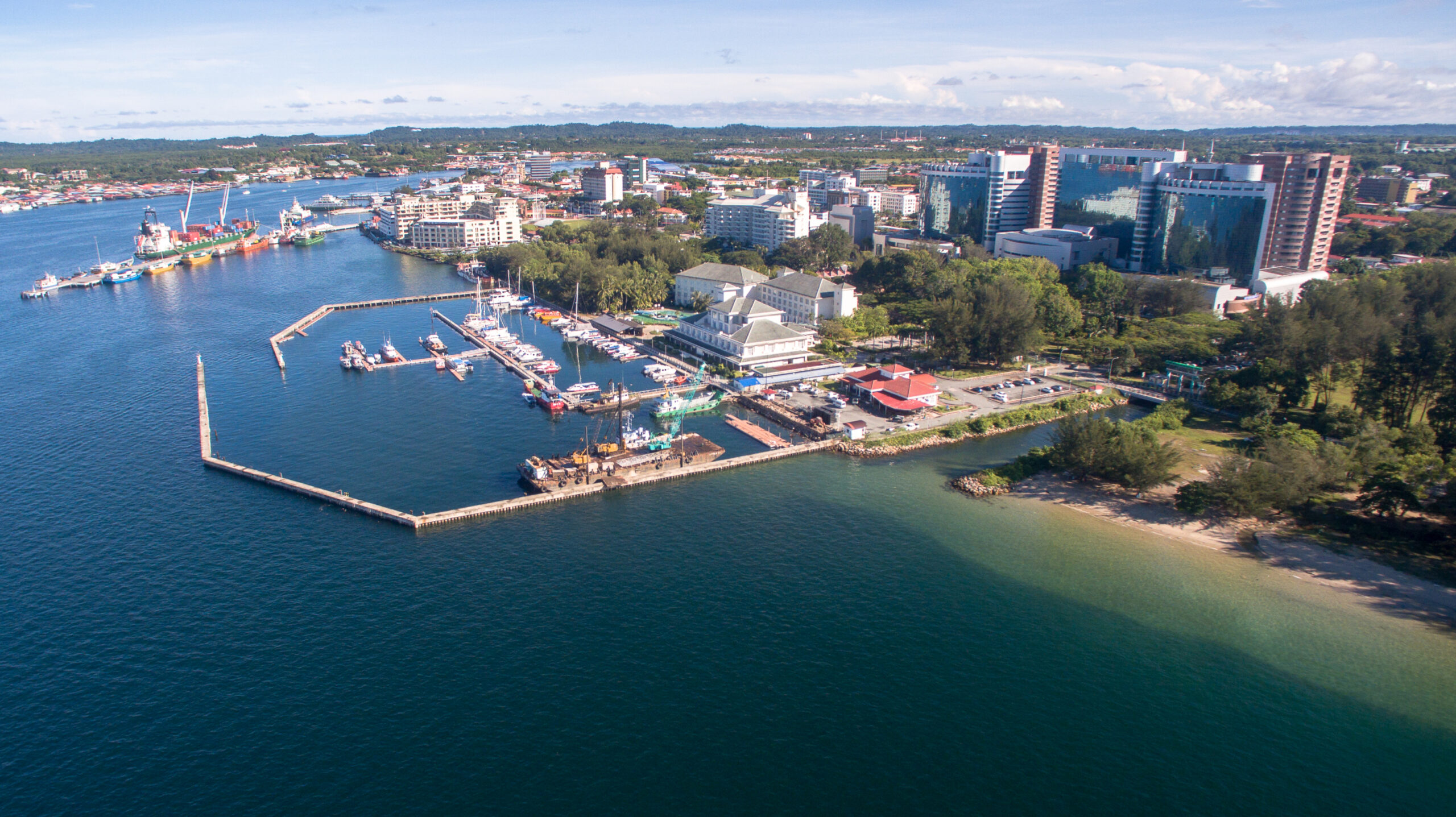
Labuan, an island off the coast of Sabah, was the third territory to be declared a Federal Territory, in 1984. While its strategic location made it important for trade, particularly as a free trade zone, Labuan’s role in Malaysia’s political landscape grew over time. The decision to designate Labuan as a Federal Territory was partly in response to its potential as a financial and commercial hub. It has since become a key player in Malaysia’s economic expansion, particularly in the sectors of oil, gas, and finance.
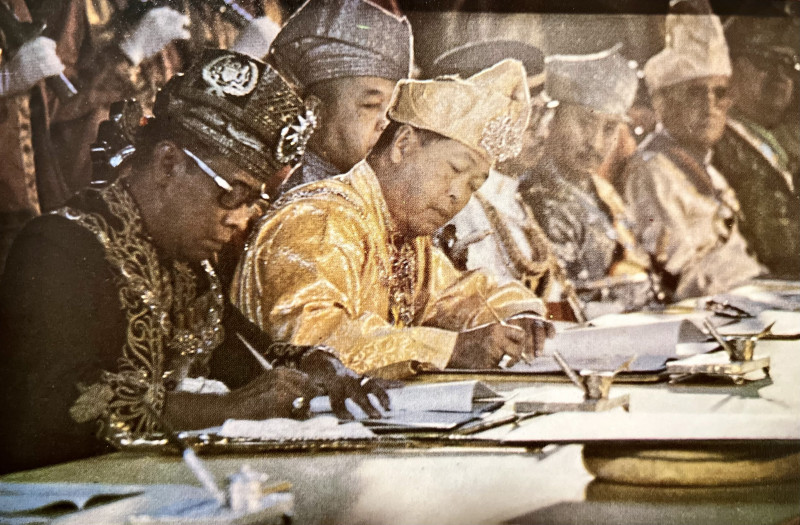
Federal Territories Day
The creation of the Federal Territories marked an important milestone in Malaysia’s administrative development, laying the foundation for more centralised and effective governance. To honour this achievement, February first is celebrated annually as Federal Territories Day, a day dedicated to recognising the vital role these areas play in the nation’s progress.
The Federal Territories consist of Kuala Lumpur, the vibrant capital; Putrajaya, the nation’s carefully planned administrative centre; and Labuan, an important financial and offshore hub. Each territory contributes in its own way, from commerce and culture to governance and trade, reflecting the diversity and dynamism of Malaysia’s development.
Federal Territories Day is celebrated with a variety of events and activities that bring communities together, showcasing achievements and shared heritage. It is a time to reflect not only on the progress made since their establishment but also on the potential these territories hold for the future, as centres of innovation, culture, and economic growth.
As Malaysia observes this day on February first, 2025, it will symbolise unity, vision, and the enduring contributions of these territories to the nation’s growth. The occasion serves as a reminder of the importance of cooperation, forward planning, and national pride, highlighting how these regions continue to shape Malaysia’s journey and identity.
Kuala Lumpur : The Vibrant Soul of Malaysia’s Federal Territories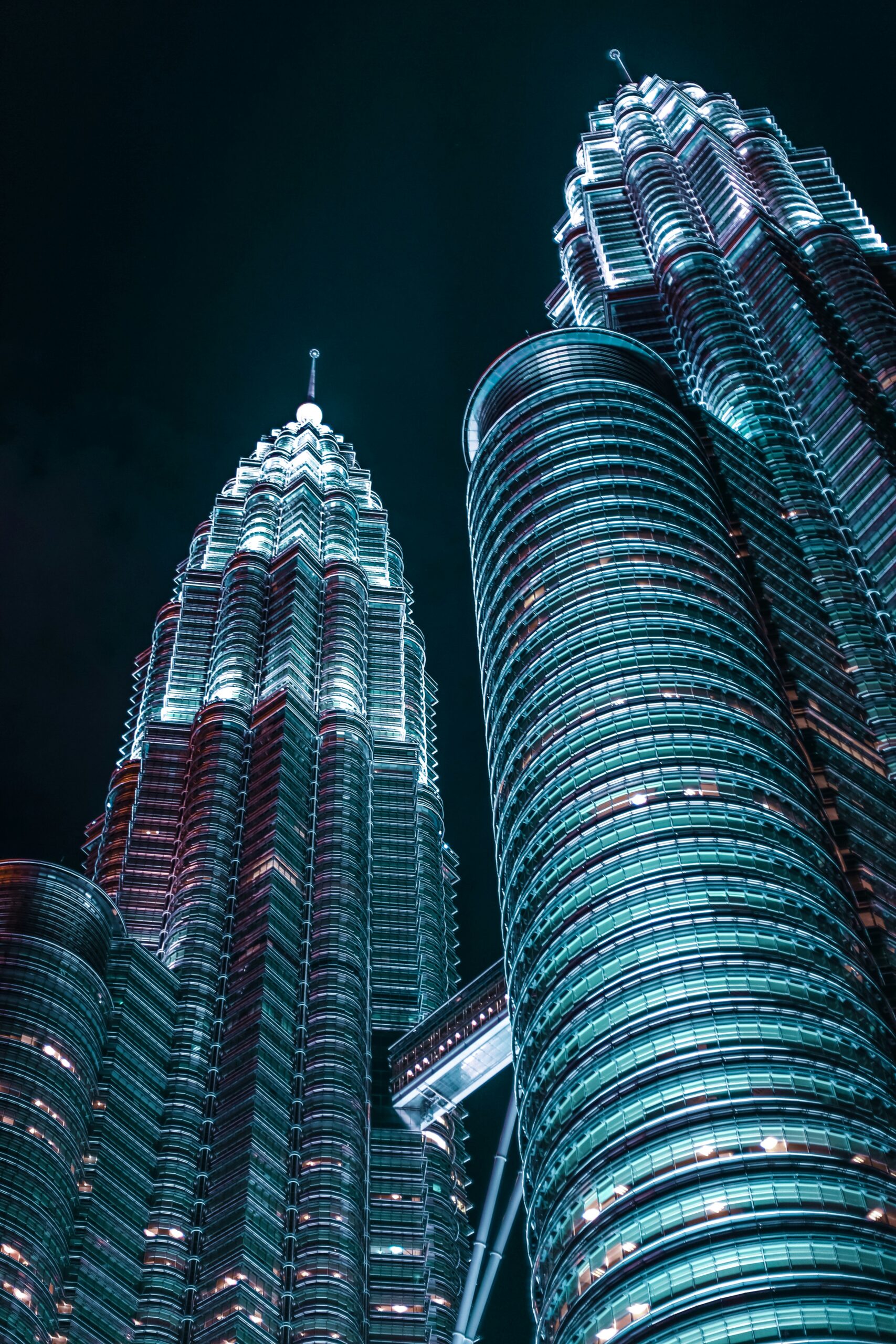
Kuala Lumpur, affectionately known as KL, is much more than Malaysia’s capital—it is the pulsating heart of the nation, a city where tradition and modernity intertwine seamlessly. Here, historic landmarks stand proudly alongside soaring skyscrapers, and bustling street markets sit just a stone’s throw from high-end shopping districts. KL is a city of contrasts and harmony, where the aroma of local delicacies mingles with the hum of global commerce, and centuries-old mosques, temples, and colonial buildings coexist with gleaming towers like the iconic Petronas Twin Towers.
As we approach Federal Territories Day on February 1st, this moment offers a chance to pause and reflect on KL’s remarkable journey—from a humble tin-mining settlement in the 19th century to the vibrant, cosmopolitan metropolis it is today. Its streets tell stories of resilience, diversity, and innovation, mirroring the multicultural spirit of the people who call this city home. From the traditional festivals that light up Chinatown and Little India to the cutting-edge art galleries and tech hubs reshaping its skyline, KL is a living testament to Malaysia’s growth and vision.
Today, Kuala Lumpur stands not only as the nation’s political and economic hub but also as a cultural beacon, drawing visitors and dreamers from across the world. It is a city that celebrates its past while embracing the future—a city that continues to evolve, inspire, and pulse with life at every turn.
From Tin Mines to a Thriving Metropolis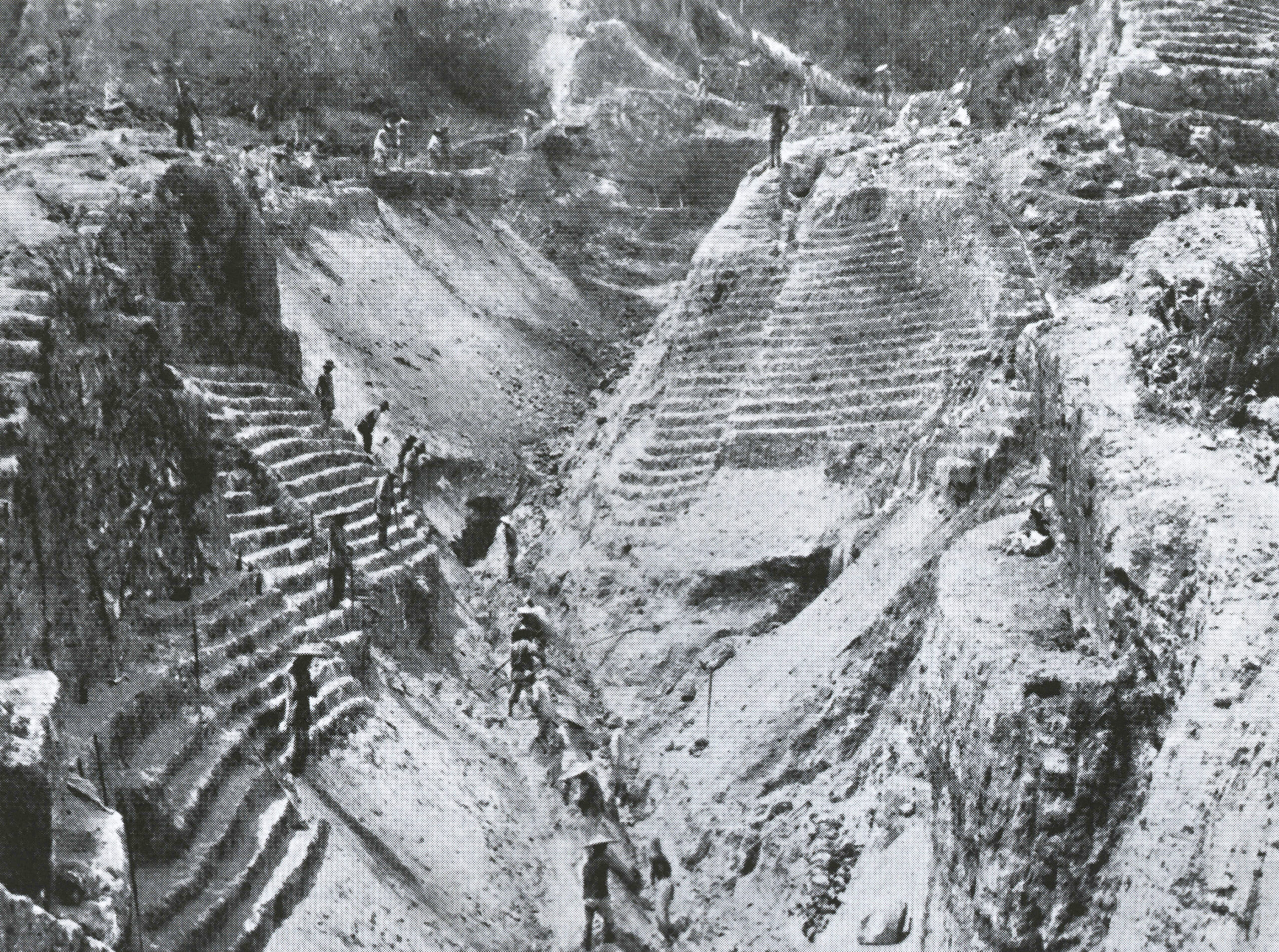
Kuala Lumpur’s story begins in the 1850s, when a group of Chinese prospectors arrived at the confluence of the Gombak and Klang Rivers in search of tin. The name “Kuala Lumpur,” which translates to “muddy confluence,” serves as a nod to its humble beginnings. From a tin-mining settlement, the city rapidly grew in prominence, becoming the capital of the Federated Malay States in 1896 and eventually the capital of independent Malaysia in 1957.
The turning point came in 1974, when Kuala Lumpur was officially declared a Federal Territory, marking its separation from the state of Selangor. This decision allowed the federal government to take direct control of the city, enabling its transformation into Malaysia’s administrative and cultural nucleus.
 A Cultural Melting Pot
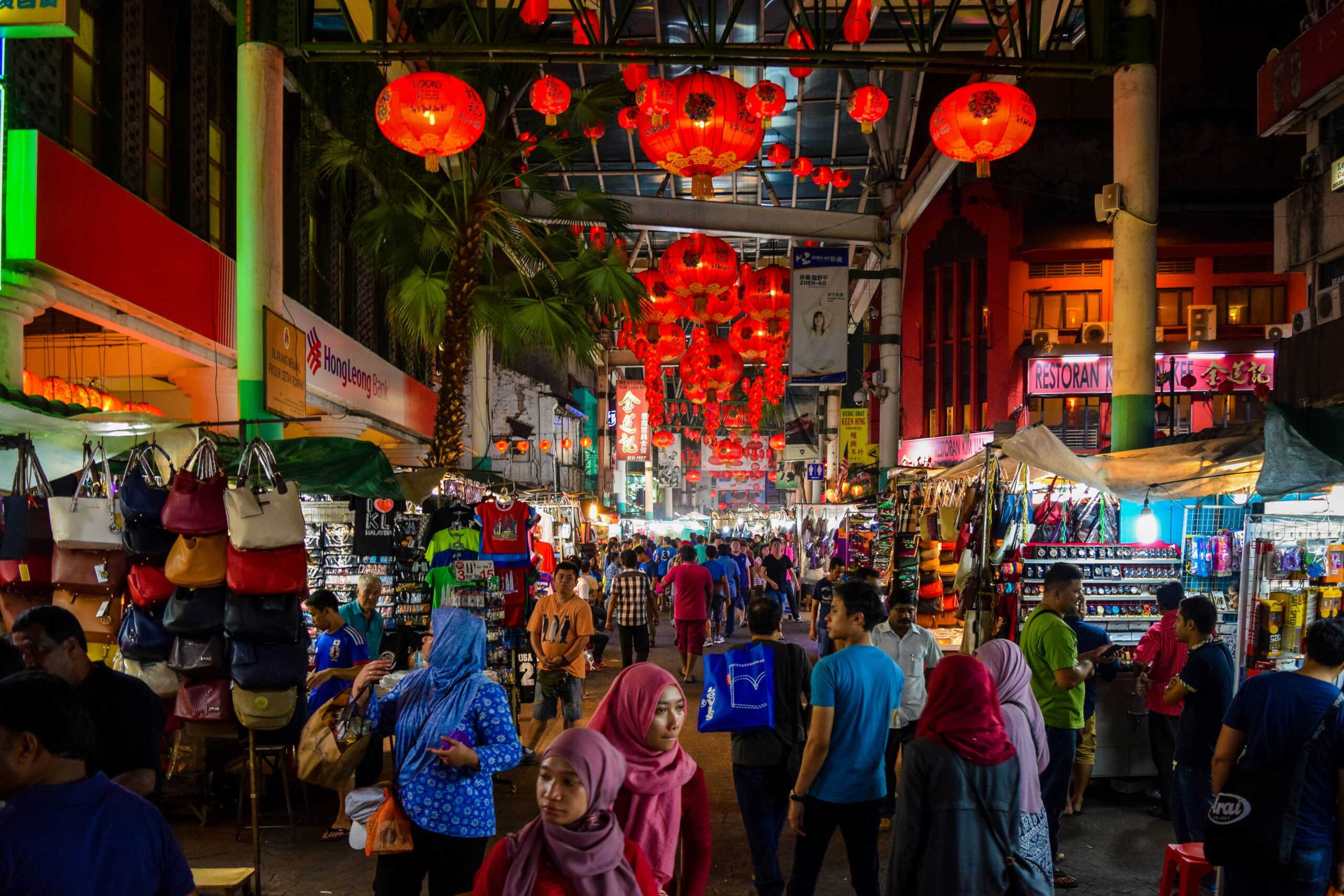
One of Kuala Lumpur’s most captivating features is its multiculturalism. As a city shaped by the Malay, Chinese, Indian, and indigenous communities, KL offers a unique blend of traditions, festivals, and cuisines. Strolling through its neighborhoods reveals this diversity in full bloom.
In Chinatown’s Petaling Street, the scent of sizzling noodles and roasted chestnuts fills the air, while traditional Chinese medicine shops and trinket stalls beckon passersby.
Brickfields, known as Little India, dazzles with its vibrant saree shops, aromatic curry houses, and colorful Hindu temples like the iconic Sri Kandaswamy Temple.
Meanwhile, Kampung Baru—a preserved Malay enclave amidst the skyscrapers— offers a glimpse into traditional village life, with its wooden houses and bustling night market.
Iconic Landmarks and Modern Marvels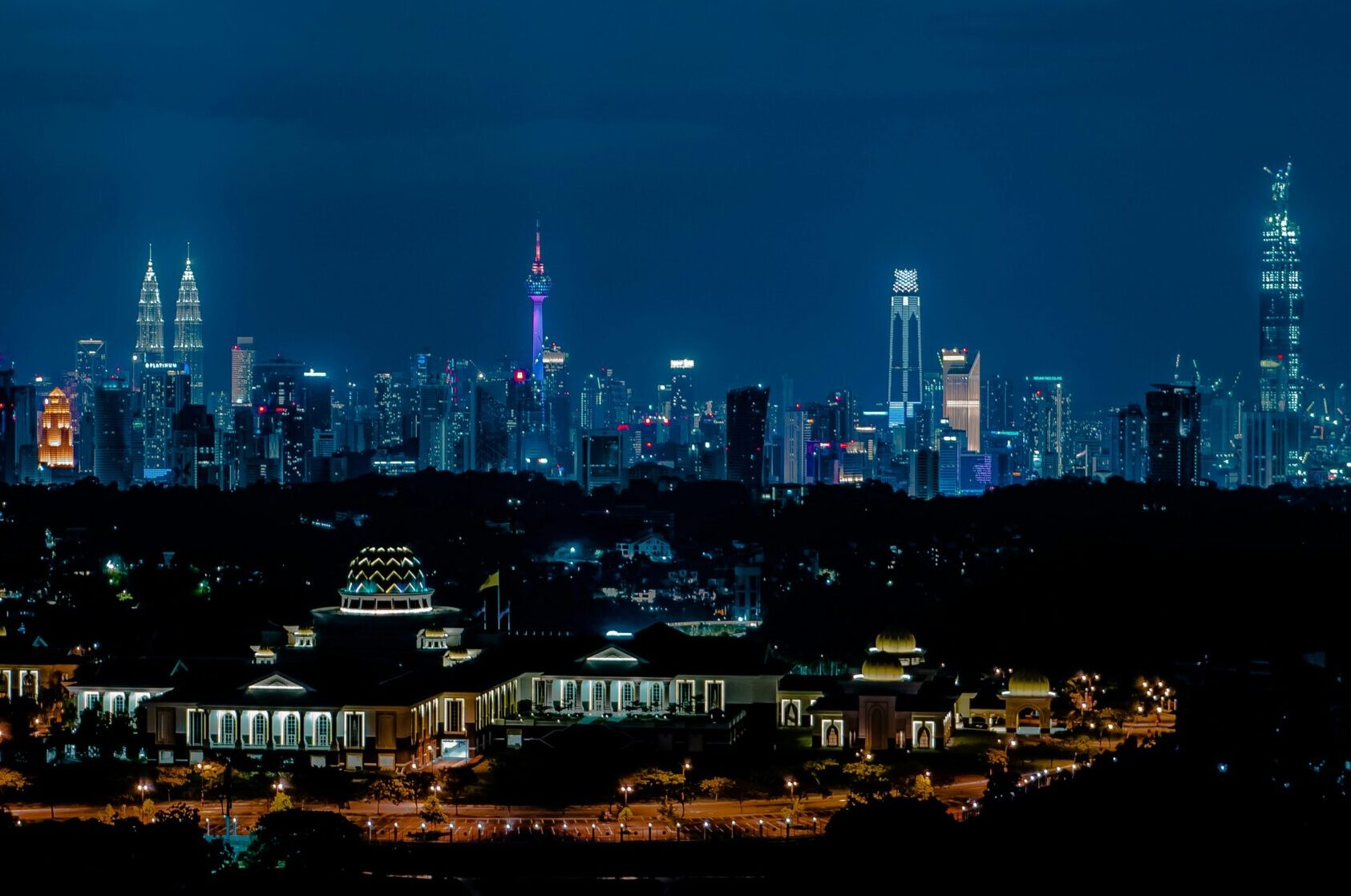
Kuala Lumpur’s skyline is a testament to its ambition and progress. The Petronas Twin Towers, once the tallest buildings in the world, remain a symbol of Malaysia’s modernity and innovation. Visitors flock to its Skybridge and observation deck to take in breathtaking views of the city.
Other landmarks, such as the Kuala Lumpur Tower, Merdeka Square, and the historic Sultan Abdul Samad Building, highlight the city’s rich architectural heritage. The contrast between colonial-era structures and futuristic skyscrapers paints a picture of a city that seamlessly blends the old with the new.
The Heartbeat of the City: Food, Arts, and Community
Kuala Lumpur is a paradise for food lovers. Its streets are alive with flavors, from hawker fare like nasi lemak and char kuey teow to fine dining experiences at world-class restaurants. Jalan Alor, KL’s famous food street, buzzes with activity every night as locals and tourists indulge in a gastronomic adventure.
The city is also a hub for arts and culture. Venues such as the National Museum, the Islamic Arts Museum, and the Kuala Lumpur Performing Arts Centre showcase the country’s artistic and historical richness. Independent galleries and street art installations further add to KL’s creative spirit, making it a city that continually inspires.