
Brain Health and Focus
FOODS AND HABITS THAT IMPROVE COGNITION
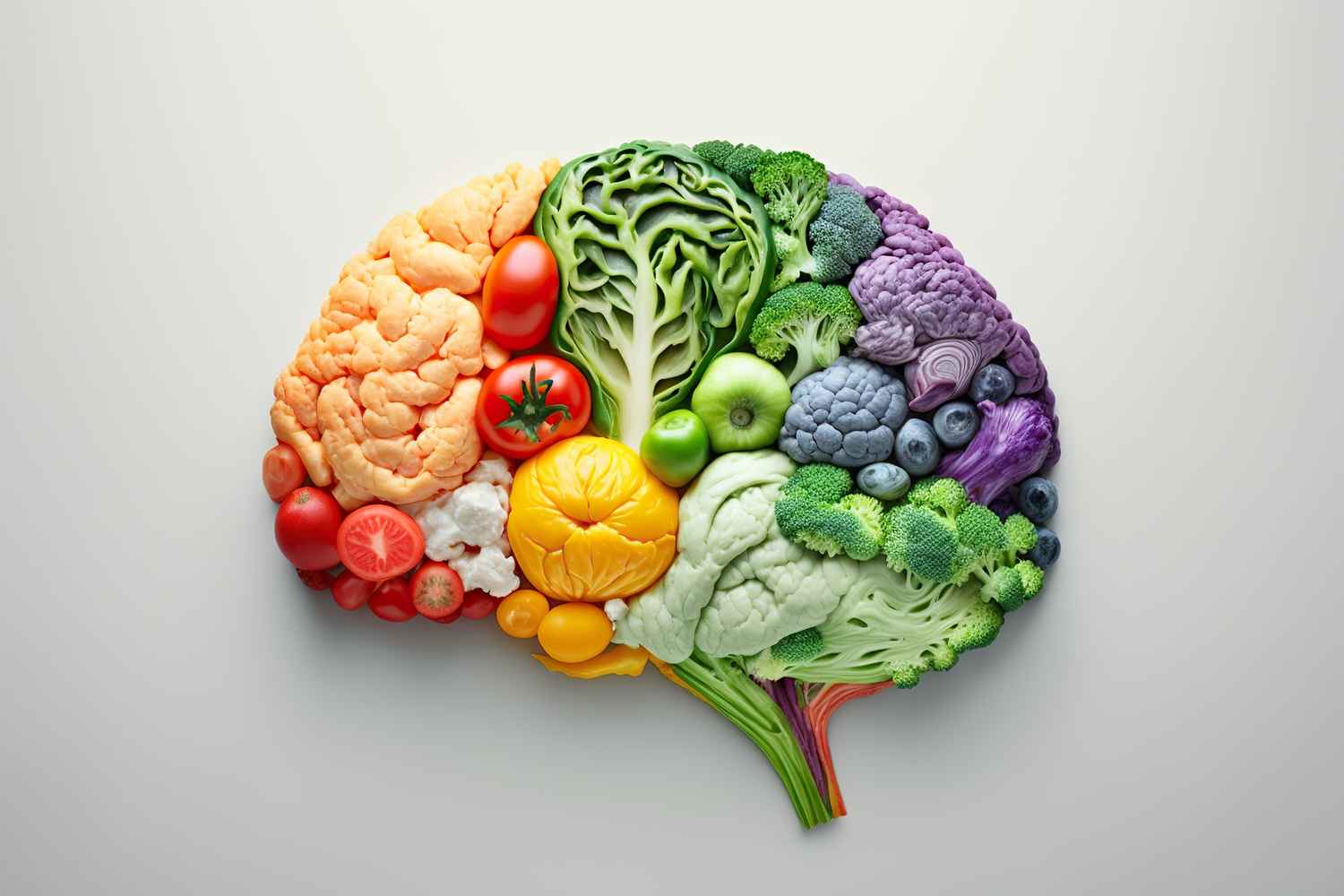
Clear thinking, sharp memory, and sustained focus all depend on the strength of the brain. Many people search for instant ways to boost concentration, yet the most reliable results come from daily choices that nourish and protect cognitive function. Nutrition, rest, movement, and mindful routines shape how well the brain learns, processes information, and maintains attention throughout the day. By understanding how these elements work together, it becomes easier to build habits that support long term mental clarity.
 Omega 3 fatty acids play an important role in brain structure. They support the membranes that surround brain cells and help signals travel smoothly from one neuron to another. Foods that contain these fatty acids include salmon, mackerel, sardines, chia seeds, flaxseeds, and walnuts. When the diet includes regular sources of omega 3 fatty acids, the brain functions with greater efficiency. These nutrients support memory, strengthen learning ability, and may reduce the risk of age related cognitive decline. Including them in weekly meals is a simple and effective step toward better focus.
Polyphenols also protect the brain. These natural plant compounds act as antioxidants that reduce stress on the brain caused by daily demands and environmental factors. Berries, dark chocolate with a high cocoa content, grapes, olives, and green tea are rich in polyphenols. They improve blood flow to the brain which supports problem solving and helps maintain steady attention. A diet that includes bright and colorful fruits and vegetables supplies a consistent stream of these protective compounds. When blood flow improves, mental energy becomes stronger.
Sleep is another major pillar of cognitive health. During sleep the brain organises memories, repairs cells, and clears waste that builds up during waking hours. Irregular sleep disrupts concentration and slows reaction time. A consistent sleep routine helps the brain enter deep stages that restore mental performance. Reducing screen use before bed, lowering room temperature, and keeping the sleep environment calm all help improve sleep quality. When the brain rests properly it becomes more efficient at processing information and staying focused.
Stable blood sugar is also essential. When blood sugar rises too quickly and falls just as fast, the brain struggles to maintain steady energy. This leads to poor concentration and mental fatigue. Meals that include protein, healthy fats, and fiber help regulate blood sugar. Eggs, nuts, seeds, leafy greens, and whole grains provide slow and steady energy that supports the brain throughout the day. Reducing sugary snacks and avoiding very late meals can prevent the sudden energy crashes that interrupt focus.
Many people also experience cognitive strain from over stimulation. Constant notifications, busy environments, and rapid information intake create stress that reduces attention span. Short breaks away from screens, moments of quiet, and brief breathing exercises allow the brain to reset. Even a few minutes of stillness helps clear mental clutter and improves the ability to concentrate.
 Movement further strengthens cognitive function. Exercise improves blood flow to the brain and increases the supply of oxygen that supports cell activity. Activities such as brisk walking, cycling, dance, and light strength training stimulate chemicals that improve mood and motivation.
Hydration plays a simple yet powerful role as well. The brain relies on water to transport nutrients and maintain its electrical signals. Even mild dehydration leads to tired thinking and slower reaction time. Drinking water consistently throughout the day helps the brain stay alert. Water rich fruits and herbal teas also contribute to hydration and support mental performance.Improving cognition does not require extreme routines. It depends on steady and thoughtful habits.
Omega 3 fatty acids strengthen brain cells. Polyphenols protect against stress. Sleep restores mental energy. Stable blood sugar supports focus. Limited stimulation prevents overload. Movement enhances circulation. Hydration maintains clarity. When practiced together these habits create a healthier and more focused mind. By choosing foods and routines that support cognitive health, anyone can strengthen concentration, memory, and overall mental well being.