
Mohd Hoessein Enas, Dato
A MASTER OF MALAYSIAN FIGURATIVE ART
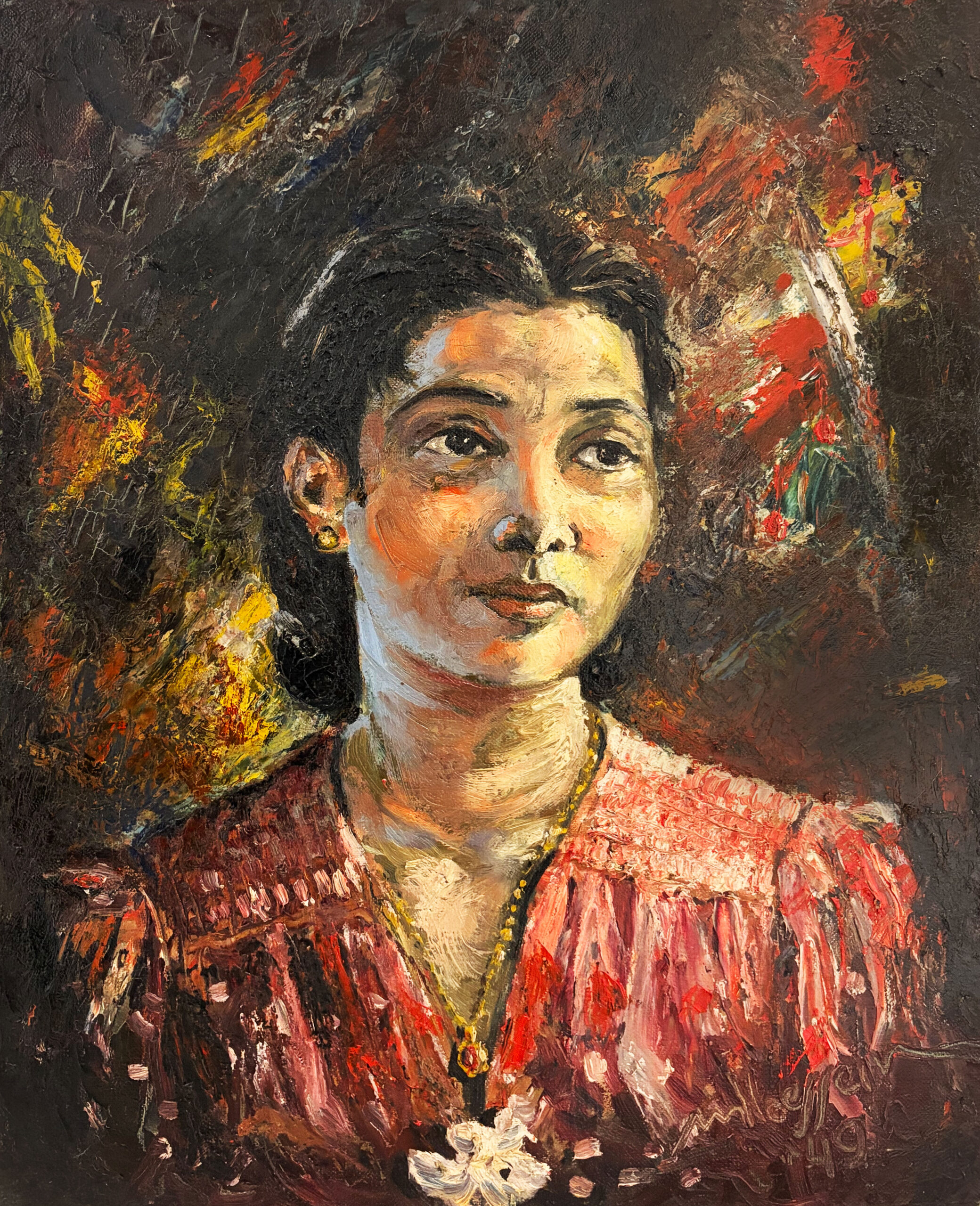
Mohd Hoessein Enas stands as one of the most influential figures in the development of modern Malaysian art. Born in 1924 in Bogor, Indonesia, Mohd Hoessein Enas later made Malaysia his home, where he would leave an enduring legacy through his sensitive and highly detailed portraiture. His work captures not only the physical likeness of his subjects but also the cultural identity, dignity and emotional depth of the people of this region. At a time when Malaysia was shaping its national identity in the years leading to independence and beyond, Hoessein Enas contributed significantly by documenting its people through art. His paintings serve as visual records of a society in transition, preserving both the individuality of his sitters and the collective spirit of a nation coming into its own.
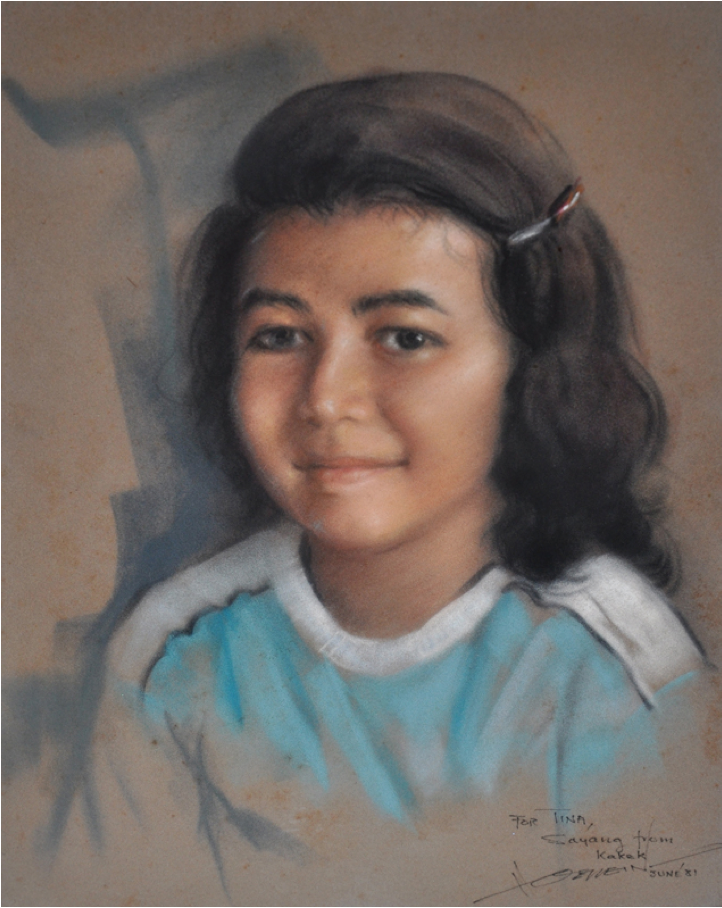
He arrived in Malaysia in the late 1940s, during a period of social transformation and pre independence energy that would influence the direction of his work. His early years were marked by financial hardship and uncertainty, yet his commitment to painting never wavered. Without formal academic training in art, he relied on keen observation, self discipline and constant experimentation to refine his skills. This self taught journey shaped a distinctive style that was grounded in realism yet enriched with emotional sensitivity. Over time, his dedication began to attract attention, and he gradually established himself within the local art scene as a painter of remarkable precision and depth. His works began to resonate with audiences for their quiet intensity and technical finesse. This growing recognition laid the foundation for a lasting and influential artistic career.
A defining aspect of Hoessein Enas’ work is his unwavering dedication to portraiture,which became both his signature and his strength. Unlike many artists of his time who explored abstraction and modernist tendencies, he remained committed to capturing the human form with clarity and authenticity. His portraits are characterised by meticulous attention to detail, particularly in the rendering of facial features, skin tones and traditional attire. Every brushstroke appears deliberate, contributing to a lifelike quality that invites viewers to engage closely with the subject. Through these works, he preserved the elegance of Malay culture, often portraying individuals in traditional dress such as kebaya and baju kurung, rendered with an almost tactile richness.
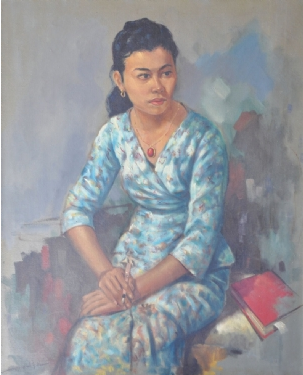
One of his most recognised series revolves around Malay women, a subject that he approached with both admiration and respect. These portraits are not merely aesthetic representations but also cultural statements that celebrate identity and heritage. Each figure is depicted with poise and quiet strength, embodying ideals of femininity, modesty and grace that resonate deeply within Malaysian society. The subtle play of light across the face, the softness of the gaze and the careful composition all contribute to an intimate atmosphere. This series, in particular, has come to symbolise his artistic vision, reflecting both technical mastery and a profound appreciation for the cultural narratives embedded in everyday life. Through these works, he invites viewers to engage with a deeper sense of cultural understanding and emotional connection.
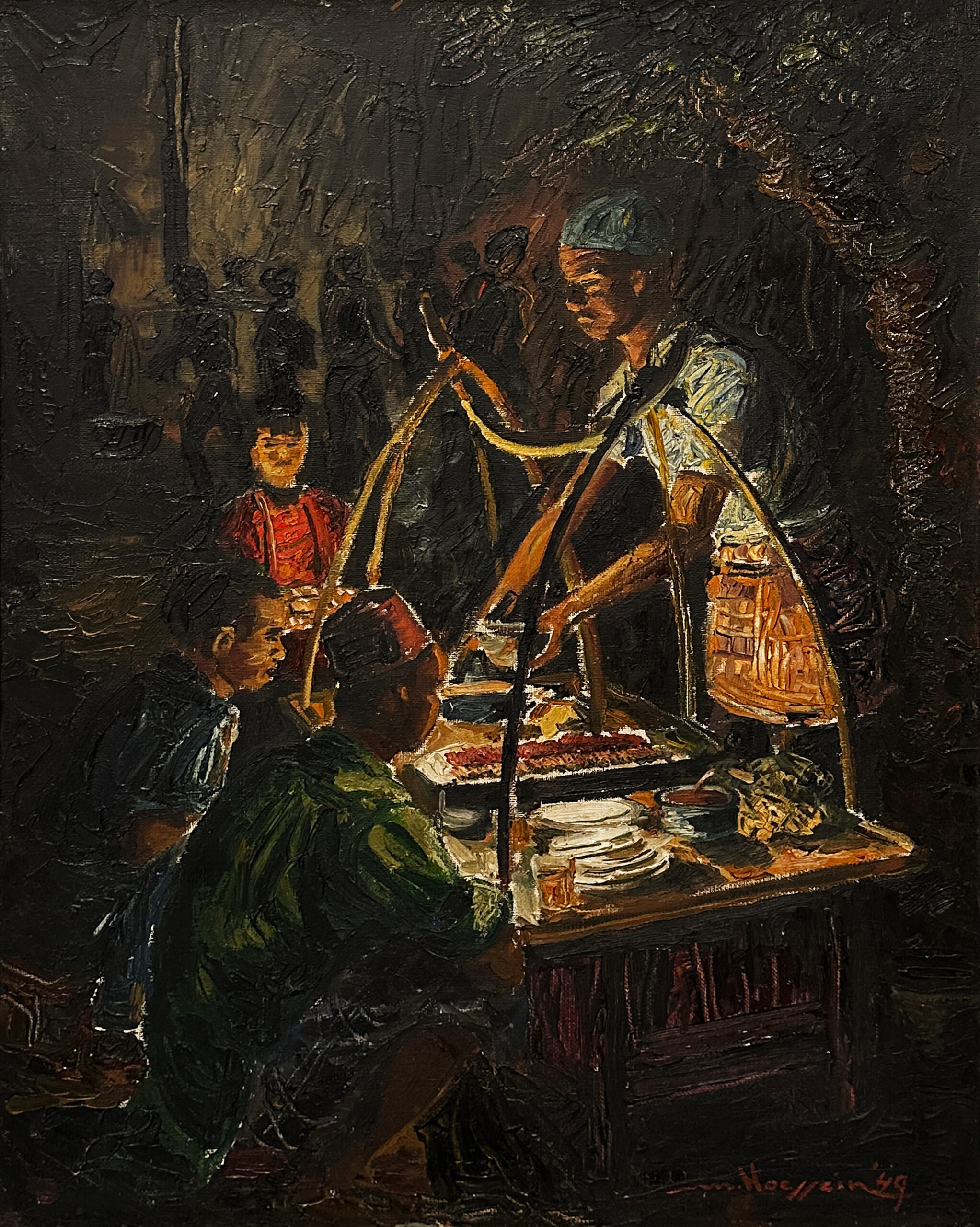
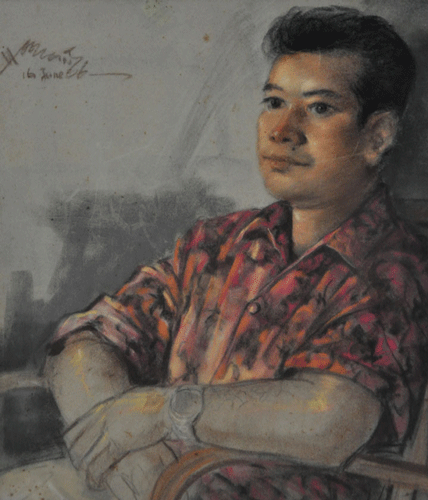
In addition to his focus on women, Hoessein Enas also produced a wide range of portraits depicting men, children and individuals from various walks of life. His portrayals of villagers, labourers and ordinary citizens reveal a genuine interest in the diversity of Malaysian society. These works go beyond mere representation, offering glimpses into the character and lived experiences of his subjects. By treating each individual with dignity and care, he elevated everyday people to the status of artistic subjects worthy of attention and admiration. This inclusive approach adds depth to his body of work, making it not only visually compelling but also socially meaningful.
Another important body of work includes commissioned portraits, which brought him recognition among prominent figures in society. Hoessein Enas was frequently commissioned to paint members of royalty, political leaders and notable personalities, each requiring a careful balance between realism and formality. These works demanded a heightened sense of responsibility, as they were often intended to convey authority, prestige and legacy. Despitethese expectations, he managed to retain a sense of humanity in his portrayals, ensuring that his subjects appeared not only powerful but also relatable. His ability to navigate these demands further demonstrates his versatility and professionalism as an artist. Each portrait reflects a deep understanding of character, captured through subtle expression and posture. His attention to detail extended beyond likeness, conveying the individuality of each sitter.
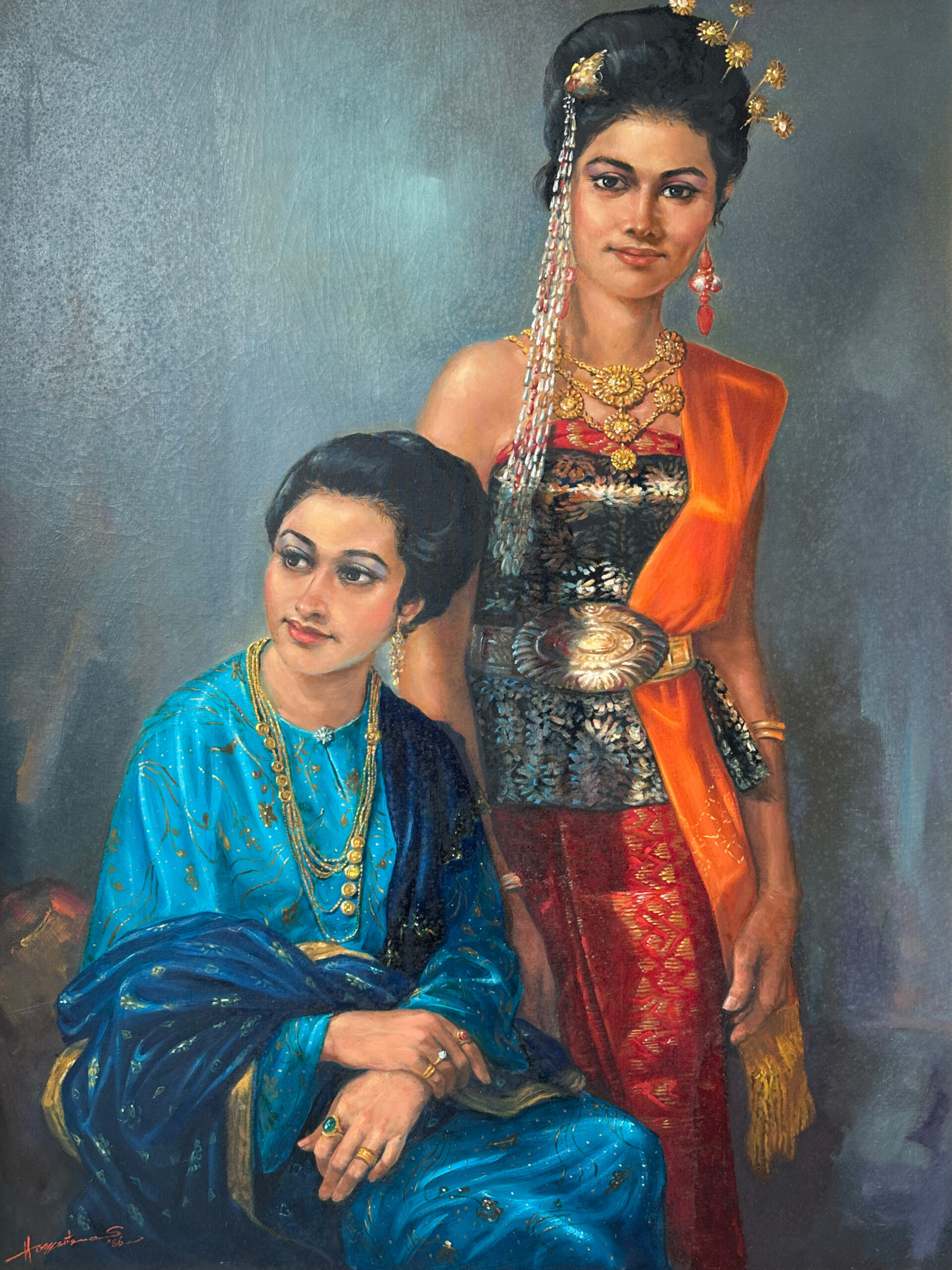
Beyond portraiture, Hoessein Enas explored thematic works that reflected broader aspects of Malaysian life and culture. While these pieces are less widely known, they reveal another dimension of his artistic practice. Scenes depicting daily routines, traditional customs and social interactions appear in some of his paintings, providing context to the individuals he portrayed. These works complement his portraits by situating them within a larger narrative, offering viewers a more comprehensive understanding of the environment in which his subjects lived. Through this approach, he extended his role from portraitist to visual storyteller.
His contributions were formally recognised when he was declared a National Art Laureate in 1990, a prestigious honour that acknowledged his impact on the cultural landscape of Malaysia. This recognition not only celebrated his artistic achievements but also affirmed his role in preserving and promoting national identity through art. His works are now held in major collections, including the National Art Gallery, where they continue to be exhibited and studied. These institutions play a vital role in ensuring that his legacy remains accessible to future generations, allowing his influence to endure.
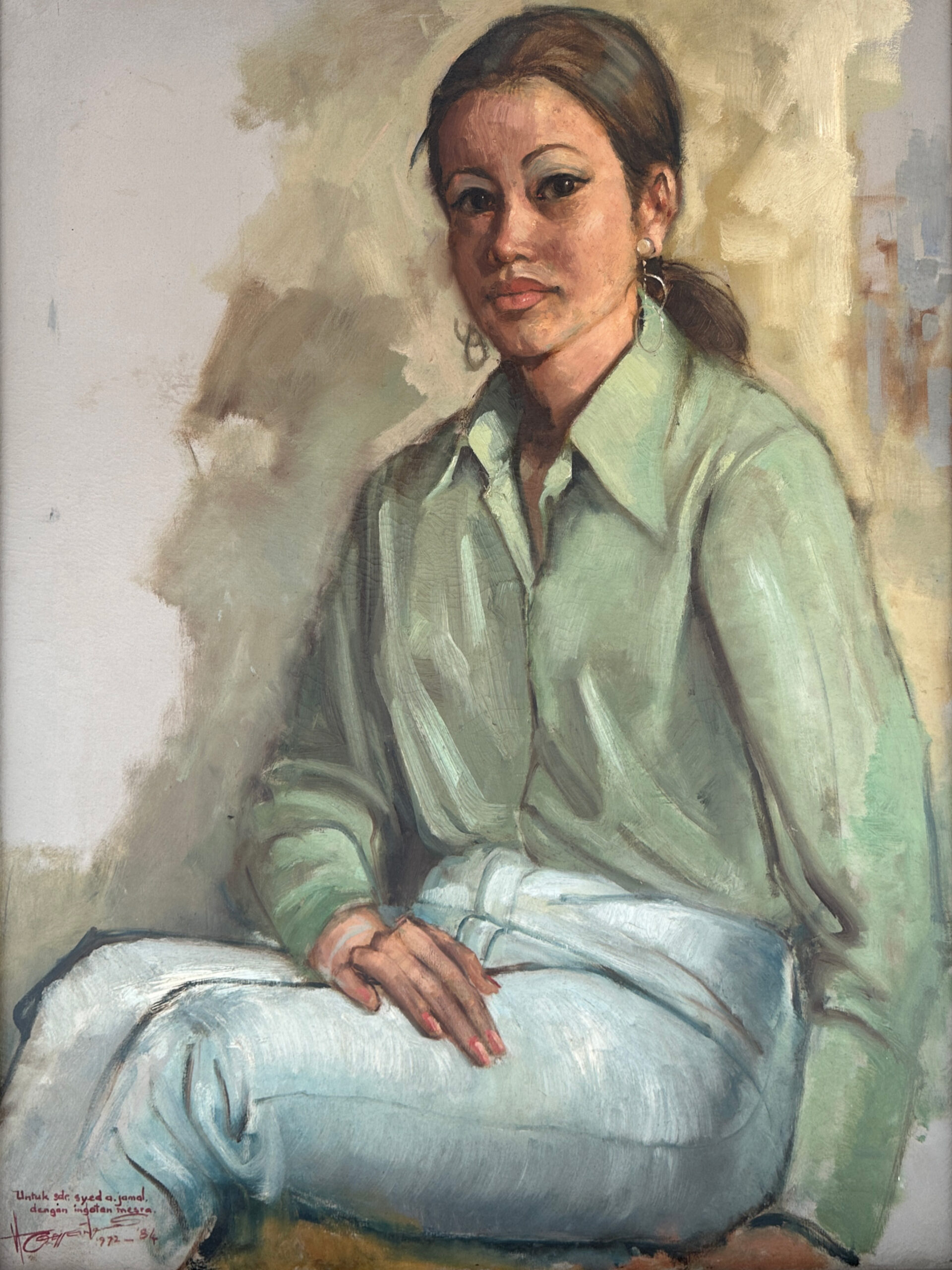
The techniques employed by Hoessein Enas are central to the enduring appeal of his work. He worked primarily in oil, a medium that allowed him to achieve depth, richness and subtle tonal variation. His brushwork is both controlled and expressive, enabling him to capture fine details while maintaining a sense of fluidity.
figure set against a neutral or softly detailed background. This compositional choice directs the viewer’s attention entirely towards the subject, enhancing the emotional connection between viewer and painting. The restrained use of colour and the harmonious balance of tones create a calm and contemplative mood, allowing the personality of the subject to emerge without distraction. Such attention to composition reflects his disciplined approach and deep understanding of visual balance.
The influence of Hoessein Enas extends far beyond his own paintings, as he played a pivotal role in nurturing the next generation of artists. Through his involvement in artistic communities and organisations, he shared his knowledge and encouraged others to pursue excellence in their craft. His emphasis on realism, technical skill and cultural awareness set a benchmark for portraiture in Malaysia. Many artists who followed in his footsteps continue to draw inspiration from his methods, adapting his principles to contemporary contexts while maintaining a connection to tradition.
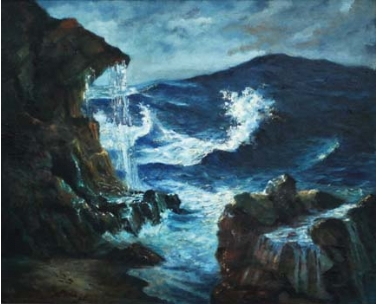
His legacy is also reflected in the broader narrative of Malaysian art history, where his work represents a bridge between tradition and modernity. By focusing on local subjects and cultural elements, he contributed to the development of a visual identity that resonates with the nation’s heritage. His portraits serve not only as artistic achievements but also as historical documents, capturing the appearance, fashion and social dynamics of a particular era.
Despite his many achievements, Hoessein Enas remained deeply committed to his craft, continuing to paint with passion and dedication throughout his life. His choice to remain within the realm of realism, even as artistic trends shifted towards abstraction, reflects a strong sense of purpose and conviction. He believed in the power of art to represent reality and to communicate human emotion in a direct and accessible way. This belief underpinned his entire body of work, giving it a sense of coherence and integrity. Over the years, his consistent approach allowed him to develop a recognisable visual language that balanced technical precision with emotional depth. His paintings often reveal a quiet confidence, demonstrating not only skill but also a profound understanding of his chosen medium.
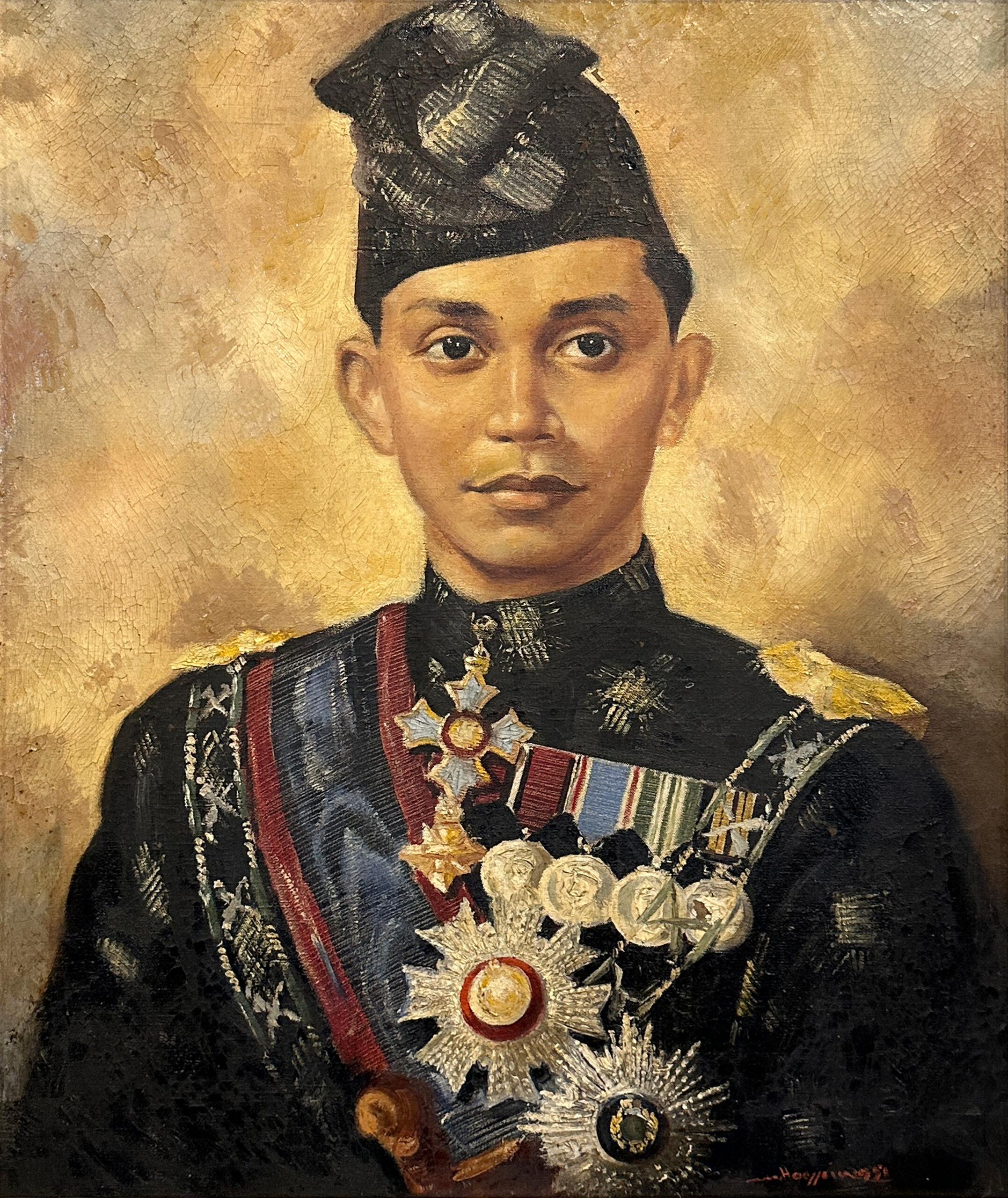
In examining the series and themes that define his oeuvre, it becomes clear that his art is rooted in empathy, observation and respect for his subjects. Whether portraying a young woman, a working man or a figure of prominence, he approached each with the same level of care and attention. This consistency reinforces his reputation as a master of portraiture, one who understood that the true essence of art lies in its ability to connect with people on a human level. His work invites viewers to pause and engage with the individuality of each subject, encouraging a deeper appreciation of character and identity. Through this thoughtful approach, he not only captured appearances but also conveyed presence, dignity and quiet emotion, ensuring that his legacy continues to resonate across generations.
Despite his many achievements, Hoessein Enas remained deeply committed to his craft, continuing to paint with passion and dedication throughout his life. His choice to remain within the realm of realism, even as artistic trends shifted towards abstraction, reflects a strong sense of purpose and conviction. He believed in the power of art to represent reality and to communicate human emotion in a direct and accessible way. This belief underpinned his entire body of work, giving it a sense of coherence and integrity. Over the years, his consistent approach allowed him to develop a recognisable visual language that balanced technical precision with emotional depth. His paintings often reveal a quiet confidence, demonstrating not only skill but also a profound understanding of his chosen medium.
In examining the series and themes that define his oeuvre, it becomes clear that his art is rooted in empathy, observation and respect for his subjects. Whether portraying a young woman, a working man or a figure of prominence, he approached each with the same level of care and attention. This consistency reinforces his reputation as a master of portraiture, one who understood that the true essence of art lies in its ability to connect with people on a human level. His work invites viewers to pause and engage with the individuality of each subject, encouraging a deeper appreciation of character and identity. Through this thoughtful approach, he not only captured appearances but also conveyed presence, dignity and quiet emotion, ensuring that his legacy continues to resonate across generations.
Today, the works of Mohd Hoessein Enas continue to hold immense cultural and artistic value. They are exhibited in galleries, studied in academic institutions and admired by audiences both locally and internationally. His contribution to Malaysian art is not only significant but foundational, shaping the way portraiture is perceived and practised in the region. His influence endures as a source of inspiration for artists who seek to explore identity, culture and humanity through their work.
Hoessein Enas’ work also invites reflection on the relationship between art and identity in a rapidly evolving nation. At a time when Malaysia was negotiating its place in the modern world, his portraits offered a sense of continuity and cultural grounding. By focusing on the people of the region, he ensured that the human element remained central to the narrative of progress. His paintings do not merely depict individuals but serve as quiet affirmations of belonging, heritage and dignity. In this way, his art becomes a mirror through which a society can recognise itself, both in moments of change and in the preservation of tradition.
Another dimension of his legacy lies in the emotional resonance of his work. There is a quiet intimacy present in many of his portraits, a sense that the viewer is being invited into a personal moment rather than observing from a distance. This quality is achieved not only through technical skill but also through a deep sensitivity to human expression. The subtle tilt of a head, the softness of a gaze or the stillness of a pose all contribute to a feeling of presence that transcends the canvas. It is this ability to evoke emotion without exaggeration that continues to distinguish his work within the broader field of portraiture.
His commitment to portraying authenticity also reflects a broader philosophical approach to art. Rather than pursuing novelty for its own sake, Hoessein Enas remained grounded in the belief that art should communicate truthfully and meaningfully. This perspective allowed him to build a body of work that feels timeless, resisting the pressures of fleeting trends. In doing so, he demonstrated that innovation does not always require departure from tradition, but can instead emerge from a deeper engagement with it. His paintings stand as evidence that sincerity, discipline and clarity of vision are enduring qualities in artistic practice.
The environments in which his subjects are placed further enhance the narrative quality of his work. Even when backgrounds appear minimal, they often suggest a distinct sense of place or atmosphere that complements the figure without overwhelming it. Subtle variations in tone, texture or setting can evoke a quiet domestic interior, a rural landscape or a refined social environment, adding layers of meaning to each portrait. In some cases, carefully included details such as clothing, posture or surrounding elements hint at social status, occupation or cultural identity, enriching the viewer’s understanding of the subject’s world. This thoughtful balance between figure and environment reflects a disciplined approach to composition, where every element is considered and intentional. It reinforces his role not only as a portraitist but as an observer of life, someone who understood how context shapes identity and how environment can deepen the emotional resonance of an image.
In a contemporary context, the relevance of Hoessein Enas’ work continues to grow as audiences seek deeper connections to heritage and representation. As conversations around identity, culture and belonging become increasingly significant, his portraits offer valuable insight into how these themes have been explored and preserved over time. Younger generations encountering his work are able to engage with a visual archive that bridges past and present, offering perspectives that remain both educational and emotionally compelling. His paintings encourage reflection on how identity is shaped, portrayed and remembered, making them especially meaningful in today’s globalised world. His legacy endures not only through the preservation and exhibition of his works but also through the ongoing dialogue they inspire among artists, scholars and viewers alike. In this sense, his contribution extends beyond art itself, becoming part of a broader cultural and intellectual discourse that continues to evolve, shaping how future generations understand both art and identity.