
The Plant‐Powered Plate
WHY PLANT-BASED EATING IS GROWING WORLDWIDE
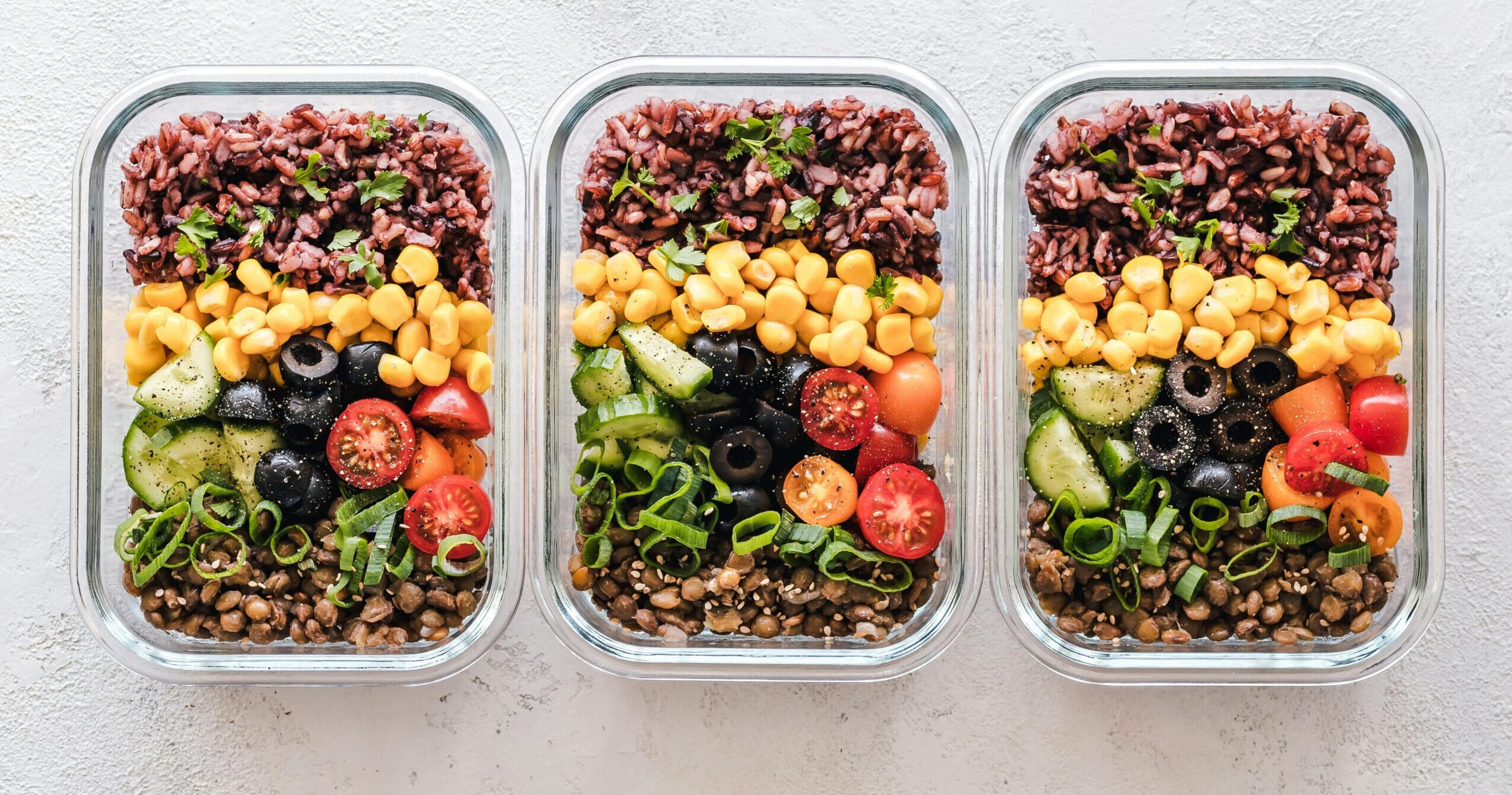
Over the past decade, the global appetite for plant-based diets has skyrocketed, transforming not only kitchens but also the food industry itself. Once considered a niche lifestyle choice, eating plant- forward meals has moved firmly into the mainstream, attracting everyone from eco- conscious millennials to top athletes seeking performance gains. This shift is being driven by a mix of health, environmental, and ethical motivations — a combination that is redefining how people think about food.
Health is often the first reason people turn to plant-based diets. Numerous studies have linked diets rich in vegetables, fruits, legumes, nuts, and whole grains to lower risks of heart disease, diabetes, and certain cancers. Dietitians also point out that plant- based eating can support healthy weight management, improve gut health, and even reduce inflammation. For those managing chronic conditions, shifting toward a diet with more plant-derived nutrients can be a powerful tool for long-term wellness.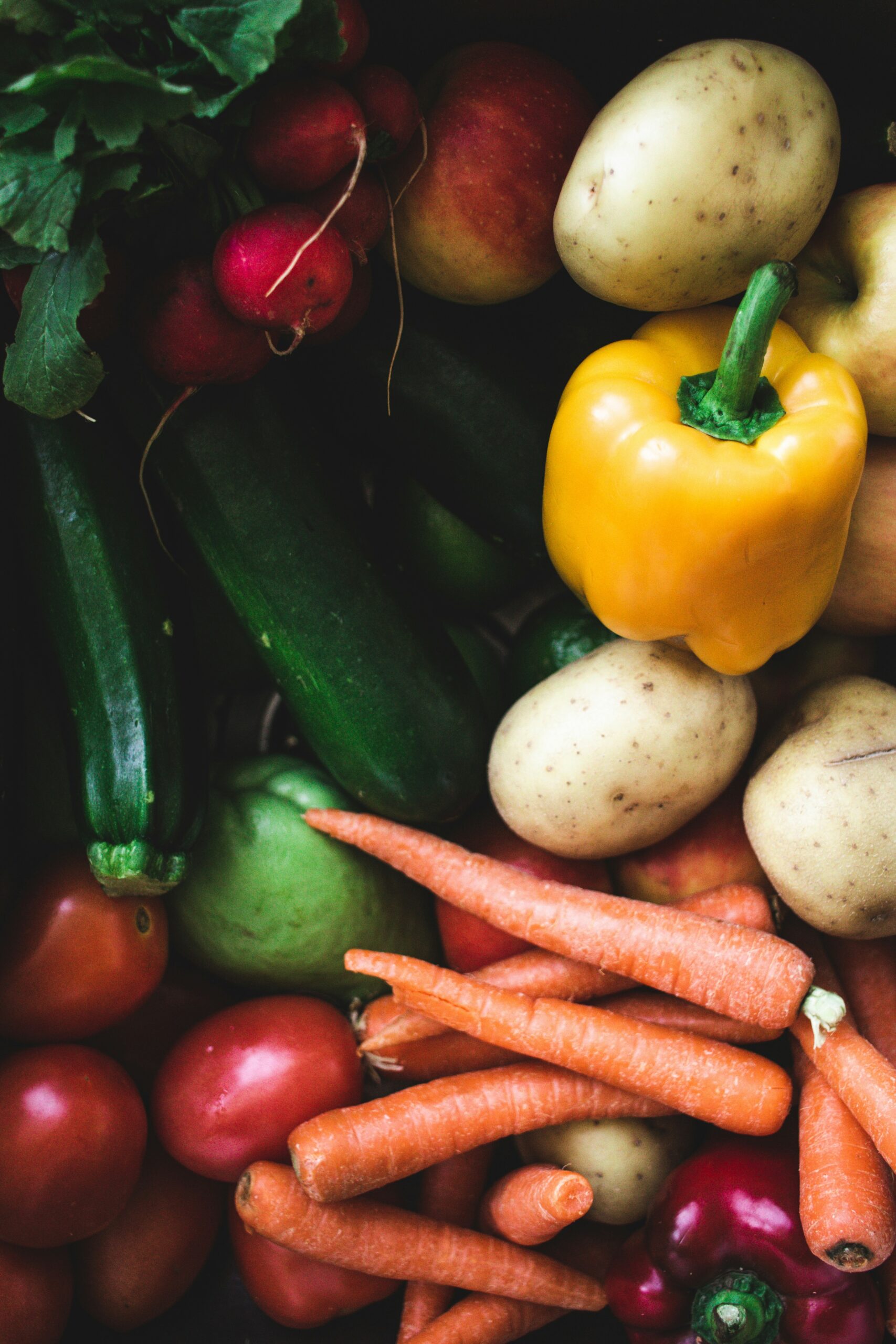
Environmental concerns are also a major driver. The livestock industry is one of the leading contributors to greenhouse gas emissions, water consumption, and deforestation. By contrast, plant-based foods generally require fewer natural resources to produce, making a switch to vegetables, legumes, and grains a small but meaningful step toward sustainability. Many consumers now see their food choices as a way to align with their values — not just for personal health, but for the planet’s future.
Ethics play a role as well. Animal welfare concerns and a growing awareness of factory farming practices have pushed many people to seek alternatives to meat and dairy.
 The rise of lab-grown meats, plant-based burgers, and dairy-free milks has made it easier than ever to enjoy traditional flavors and textures without relying on animal products. Food companies have noticed, and grocery shelves are increasingly stocked with innovative plant-based options that appeal to both longtime vegans and curious omnivores. The food industry has responded rapidly to this growing demand. Major fast- food chains now offer plant-based burgers and meatless chicken substitutes, while supermarkets feature dedicated plant-based sections brimming with dairy-free cheeses, protein-rich legumes, and meat alternatives.
Even luxury restaurants are embracing plant- forward menus, elevating vegetables to the centerpiece of haute cuisine. Investment in plant-based food technology has soared, with billions of dollars flowing into startups developing next-generation meat and dairy substitutes.
 Cultural shifts are also playing a role. Social media has amplified awareness about plant-based eating, making it easier to share recipes, nutrition tips, and success stories. Documentaries and influencer campaigns have educated millions about the health and environmental benefits of plant-forward lifestyles, creating a sense of community and social momentum around these choices. In many ways, plant-based diets have become as much a cultural movement as a nutritional one.
Despite the growing popularity, experts caution that a plant-based diet is not automatically a healthy one. Highly processed plant-based foods, loaded with sugar, sodium, or refined oils, can undermine the benefits of eating plants. Nutritionists emphasize the importance of whole, minimally processed foods, balanced with adequate protein, vitamins, and minerals. Planning meals thoughtfully ensures that plant-based diets are both satisfying and nutritionally complete. In short, plant-based eating has evolved from a fringe choice to a global movement, offering health, ethical, and environmental benefits. Whether driven by personal wellness, planetary responsibility, or compassion for animals, the plant-powered plate is reshaping how we think about food.